



Search
- Page Path
- HOME > Search
Original Article
- Intraoperative Factors Associated With Postoperative Febrile Infectious Complications Following Retrograde Intrarenal Surgery: A Propensity Score-Matched Study
- Wonjong Yang, Sangyong Park, Hee Sub Lee, Youngrak Jeong, Wonchul Lee, Hyung-Jee Kim, Seong Ho Lee, Justin Lee, Jong Keun Kim
- Urogenit Tract Infect 2026;21(2):125-135. Published online August 31, 2026
- DOI: https://doi.org/10.14777/uti.2652028.014
-
 Abstract
 PDF
PDF PubReader
 ePub
ePub - Purpose
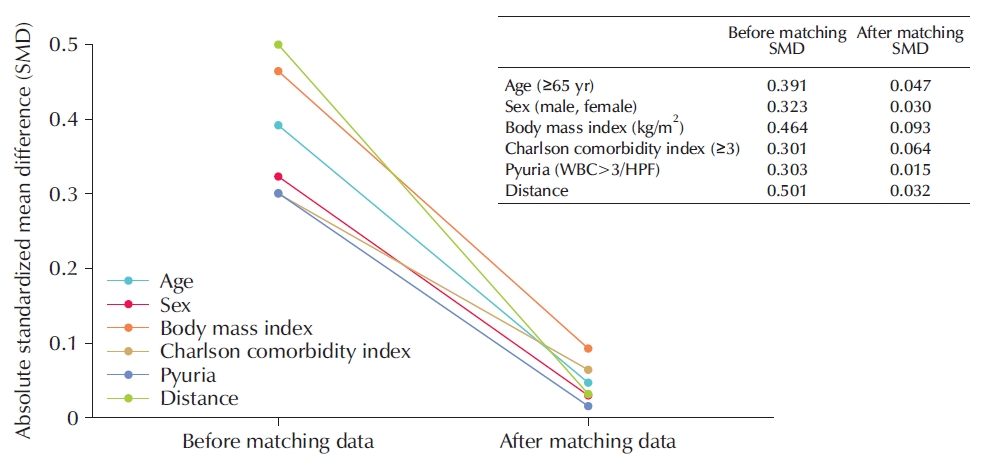
To investigate the intraoperative factors associated with postoperative febrile infectious complications following retrograde intrarenal surgery (RIRS). Materials and Methods: A total of 352 patients who underwent RIRS for renal stones between March 2017 and December 2022 were included in the analysis. Preoperative factors included age, sex, body mass index, underlying diseases, preoperative urine analysis results, and stone characteristics on computed tomography scans. Patients were divided into 2 groups based on the presence (group B) or absence (group A) of postoperative febrile infectious complications. Intraoperative factors—such as the degree of hydronephrosis on retrograde pyelography (RGP), stone impaction on endoscopic findings, size of the ureteral access sheath (UAS), grade of ureteral wall injury, operation time, and stone composition—were compared retrospectively.
Results
Postoperative febrile infectious complications occurred in 44 patients (12.6%). Following 1:3 propensity score matching, preoperative factors were analyzed for 44 patients (group B) and 132 patients (group A). Group B had a significantly longer hospital stay than group A (p=0.007); however, no significant differences were observed in postoperative pain (p=0.862) or stone-free rate (p=0.197). Hydronephrosis (odds ratio [OR], 7.31; 95% confidence interval [CI], 2.65–20.19) and high-grade ureteral wall injury (OR, 4.15; 95% CI, 1.88–9.12) were independently associated with postoperative febrile infectious complications, whereas no significant associations were observed for stone impaction, UAS size, operation time, or infectious stone composition.
Conclusions
Hydronephrosis identified on RGP and high-grade ureteral wall injury during RIRS were associated with postoperative febrile infectious complications and may serve as potential markers for risk stratification.
- 470 View
- 3 Download

Case Report
- Acute Obstructive Pyelonephritis With Bilateral Hutch Diverticula in an Adult: A Case Report
- Kyu Hyoung Cho, Gilho Lee, Youn Soo Jeon
- Urogenit Tract Infect 2026;21(2):136-139. Published online August 31, 2026
- DOI: https://doi.org/10.14777/uti.2652024.012
-
Abstract
PDFPubReaderePub
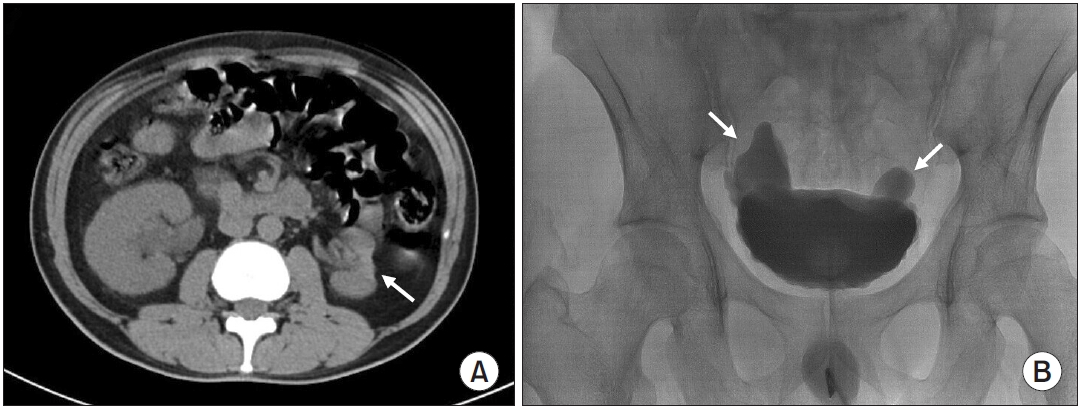
- Hutch diverticula are congenital bladder diverticula arising at the ureterovesical junction, typically associated with pediatric vesicoureteral reflux (VUR). Acute obstructive pyelonephritis occurring in an adult with bilateral Hutch diverticula is rare. The presence of a periureteral diverticulum may complicate ureteral stent placement and interpretation of postprocedural imaging findings. We report a 39-year-old man who was diagnosed with bilateral Hutch diverticula while being treated for acute obstructive pyelonephritis caused by a 4-mm proximal right ureteral stone. Following urgent right ureteral stenting and antimicrobial therapy, the patient's symptoms resolved, and he was discharged after 10 days of hospitalization. A subsequent voiding cystourethrogram confirmed bilateral Hutch diverticula but did not demonstrate definitive VUR. The imaging and cystoscopic findings clearly demonstrated the anatomical relationship between the right ureteral orifice and the adjacent right diverticulum. In addition, the distal coil of the double-J stent was lodged within the diverticulum, mimicking upward migration of the stent on kidney-ureter-bladder radiography. This case highlights a technical and radiologic pitfall of ureteral stenting in a patient with bilateral Hutch diverticula and emphasizes the importance of careful anatomical assessment during endourological intervention.
- 354 View
- 8 Download
Review Article
- Human Papillomavirus-Related Diseases in Urology: Diagnosis, Treatment, Prevention, and Clinical Considerations for Healthcare Providers
- Kyu Won Lee, Amit Mani Upadhyay, Sangrak Bae
- Urogenit Tract Infect 2026;21(2):56-73. Published online August 31, 2026
- DOI: https://doi.org/10.14777/uti.2652020.010
-
Abstract
PDFPubReaderePub
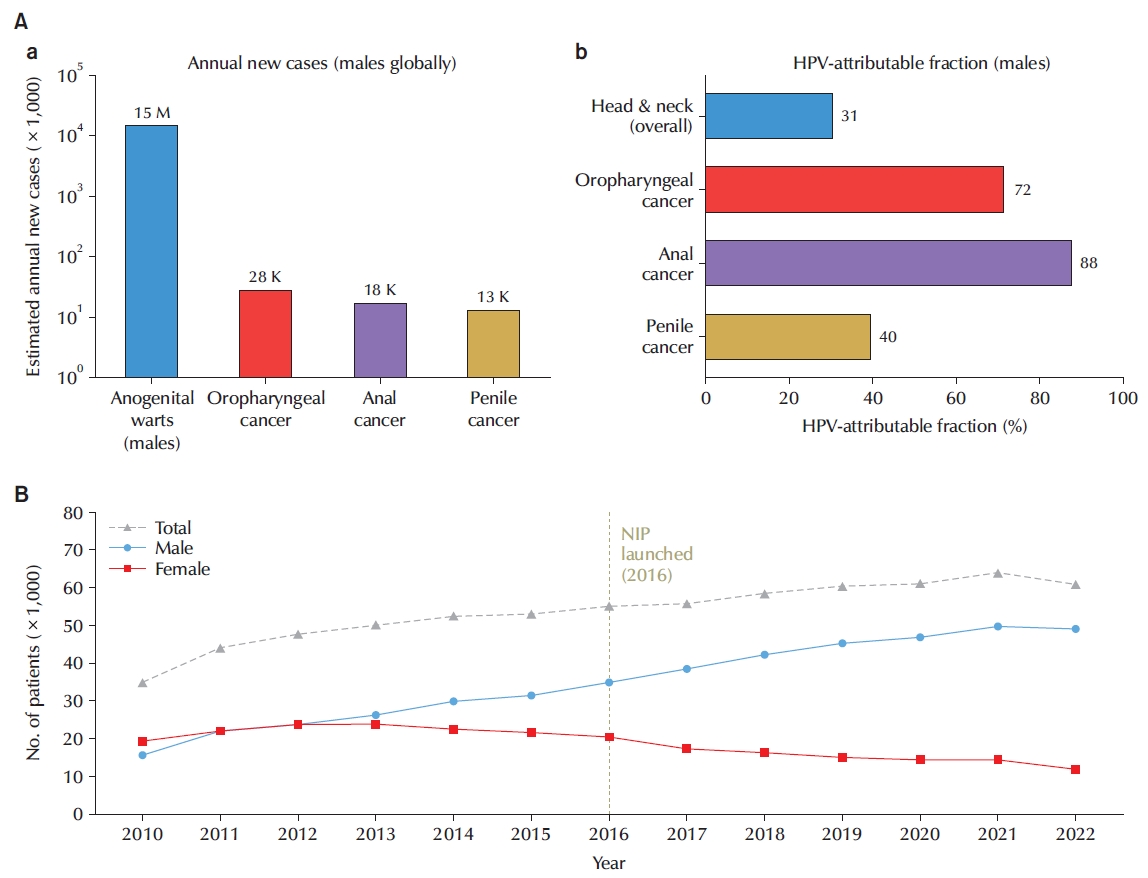
- Human papillomavirus (HPV) has long been regarded as a gynecologic pathogen, yet its disease burden in men is substantial and rapidly increasing. In Korea, the prevalence of anogenital warts in men has tripled over the past decade, penile cancer continues to rise, and HPV-positive oropharyngeal cancer (OPC) incidence in men has already exceeded that of cervical cancer in comparable high-income countries. This review reframes HPV as an urgent urological, occupational, and public health concern. Drawing primarily on the 2023 Korean Sexually Transmitted Infection (STI) Guidelines and the 2021 U.S. Centers for Disease Control and Prevention STI Treatment Guidelines, supplemented by original primary literature retrieved from PubMed, we address: (1) the male-specific epidemiological shift; (2) nonsexual and occupational transmission routes, with particular emphasis on surgical smoke; (3) evidence-based infection control in urology practice; (4) clinical management of anogenital warts; (5) male HPV vaccination policy, international comparisons, and cost-effectiveness; and (6) future research priorities including OPC prevention, HPV and male infertility, and the need for urology-specific infection control guidelines. From 2026, Korea will include 12-year-old boys in its National Immunization Program—the first gender-neutral HPV vaccination policy in Korea. This review highlights the expanding and indispensable role of urologists in HPV management and emphasizes that infection control vigilance and gender-neutral vaccination strategies are essential to reduce the mounting societal burden of HPV-related diseases. This review provides a practical framework for urologists to integrate HPV prevention, infection control, and vaccination counseling into routine clinical practice.
- 937 View
- 51 Download
Original Article
- Role of Presepsin as a Predictive Factor for Sepsis in Patients With Urinary Tract Infection Associated With Ureteral Calculi: A Retrospective Cohort Study
- Jong Gyun Ha, Hee Chang Jung, Yeong Uk Kim
- Urogenit Tract Infect 2026;21(2):89-95. Published online August 31, 2026
- DOI: https://doi.org/10.14777/uti.2652014.007
-
Abstract
PDFPubReaderePub
- Purpose
Recently, multiple studies have reported presepsin as a useful inflammatory biomarker for early sepsis diagnosis in patients with urinary tract infections (UTIs). Nonetheless, few studies have evaluated the efficacy of presepsin in urosepsis associated with ureteral calculi. We retrospectively investigated the efficacy of presepsin for early urosepsis diagnosis associated with ureteral calculi. Materials and Methods: Between May 2021 and July 2023, 64 patients with UTI associated with ureteral calculi were included. Sepsis was defined as a Sequential Organ Failure Assessment (SOFA) score increase of ≥2 points. Patients were divided into 2 groups, with (n=38) and without (n=26) sepsis, and we assessed clinical characteristics (age, sex, and past medical history), laboratory data, and stone characteristics. Additionally, we evaluated predictive factors for urosepsis associated with ureteral calculi and compared these factors with inflammatory biomarkers.
Results
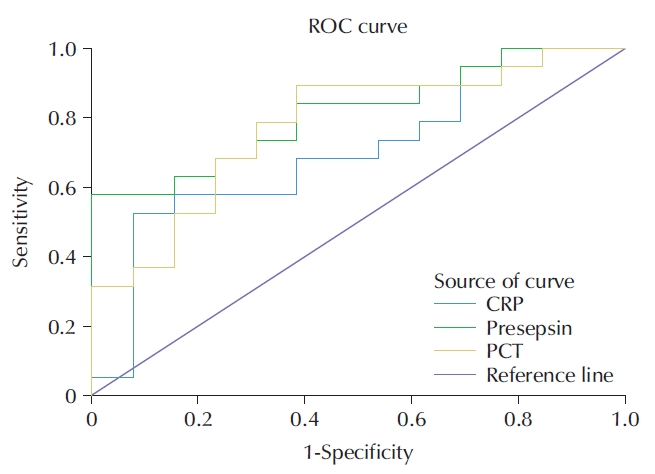
The proportion of females in the sepsis and nonsepsis groups was 89.5% (n=34) and 61.5% (n=16), respectively. In univariable analysis, low albumin level, low platelet count, and presepsin and procalcitonin (PCT) levels correlated with sepsis (p<0.05). In univariable logistic regression analysis, quick SOFA (odds ratio [OR], 2.071; p=0.033), C-reactive protein (CRP; OR, 1.08; p=0.01), PCT (OR, 1.025; p=0.008), and presepsin (OR, 1.354; p=0.001) were significantly associated with sepsis. In multivariate logistic regression analysis, presepsin (OR, 1.321; p=0.003) was significantly associated with sepsis. In receiver operating characteristic curve analysis of inflammatory markers, the areas under the curve for CRP, PCT, and presepsin were 0.704, 0.777, and 0.814, respectively.
Conclusions
Elevated presepsin levels may help predict sepsis occurrence in patients with UTI associated with ureteral calculi, thereby supporting timely and appropriate intervention.
- 511 View
- 6 Download
Review Article
- Antibiotic Prophylaxis for Transrectal Prostate Biopsy
- Do Gyeong Lim, Seung Il Jung
- Urogenit Tract Infect 2026;21(2):47-55. Published online August 31, 2026
- DOI: https://doi.org/10.14777/uti.2652012.006
-
Abstract
PDFPubReaderePub
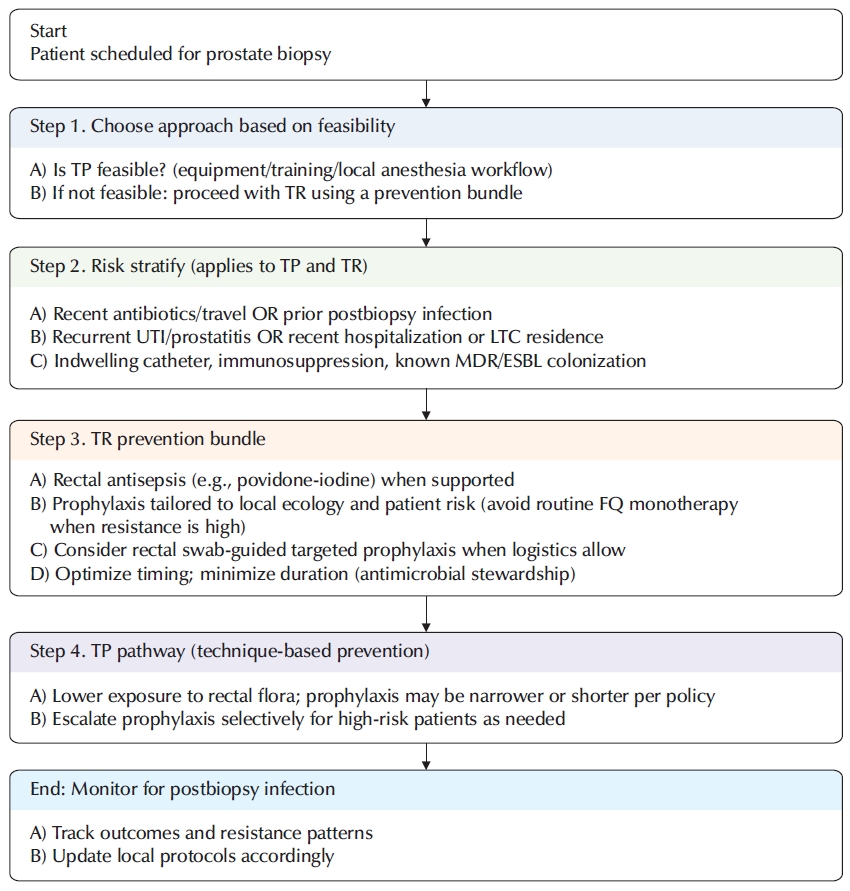
- Transrectal prostate biopsy (TRPB) is widely used for the diagnosis of prostate cancer but carries a clinically meaningful risk of infectious complications due to inoculation and translocation of rectal flora into the urinary tract and bloodstream. Antibiotic prophylaxis remains central to preventing febrile urinary tract infection and sepsis; however, increasing antimicrobial resistance—particularly fluoroquinolone-resistant Enterobacterales—has reduced the reliability of conventional empirical regimens in many regions. In this narrative review, we searched PubMed/MEDLINE, Embase, and Scopus for relevant literature published through February 2026 and synthesized current guideline positions and selected clinical evidence on prophylactic regimens, resistance-adapted regimen selection, and adjunctive measures for TRPB. Cumulative evidence indicates that the efficacy of fluoroquinolone monotherapy has significantly declined in regions with high-resistance prevalence. Alternative or augmented strategies (e.g., cephalosporin- or fosfomycin-based approaches) may reduce infectious complications in selected settings, although their performance appears context-dependent and may be accompanied by shifts in pathogen distribution. Rectal swab-guided targeted prophylaxis can individualize antibiotic selection; however, its effectiveness varies across studies because of methodological heterogeneity and imperfect prediction of clinical outcomes. Technique-based prevention, most notably transperineal biopsy, may reduce infectious risk while decreasing reliance on broad-spectrum prophylaxis. Taken together, infection prevention after prostate biopsy should be individualized according to local susceptibility patterns and patient-level risk while integrating antimicrobial stewardship and selecting adjunctive or technique-based measures when feasible.
- 823 View
- 12 Download
Original Articles
- Efficacy of D-Mannose in the Management of Urinary Tract Infections: From Acute Treatment to Long-term Prophylaxis — A Systematic Review and Meta-analysis
- Jae Yong Jeong, Young Joon Moon, Dong Hyuk Kang, Hae Do Jung, Lawrence Kim, Joo Yong Lee
- Urogenit Tract Infect 2026;21(2):111-124. Published online August 31, 2026
- DOI: https://doi.org/10.14777/uti.2652010.005
-
Abstract
PDF
 Supplementary MaterialPubReaderePub
 - Purpose
To evaluate the efficacy of D-mannose for preventing recurrent urinary tract infections (UTIs), including in kidney transplant recipients, and to clarify discrepancies between early openlabel and placebo-controlled trials. Materials and Methods: PubMed, Embase, CENTRAL (Cochrane Central Register of Controlled Trials), and Web of Science were searched from inception to February 2026. Randomized controlled trials (RCTs) comparing D-mannose with placebo, no treatment, antibiotics, or active controls were included. Risk of bias (RoB) was assessed using RoB 2, and certainty of evidence using GRADE (Grading of Recommendations, Assessment, Development, and Evaluations).
Results
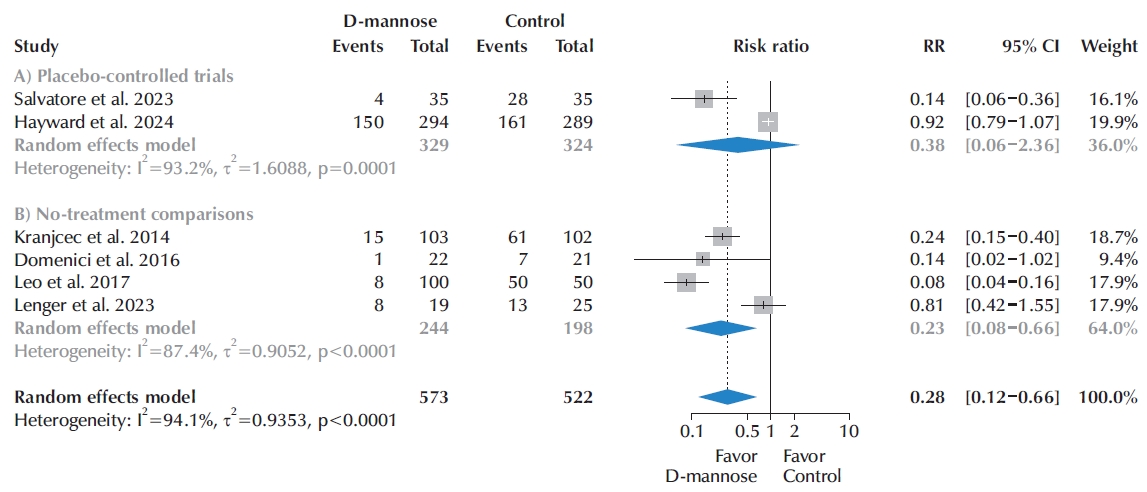
Eleven RCT reports involving 1,724 participants were included; 10 independent study populations involving 1,631 participants contributed to quantitative analyses. In placebo-controlled trials, D-mannose did not significantly reduce UTI recurrence or persistence versus placebo (risk ratio [RR], 0.38; 95% confidence interval [CI], 0.06–2.36). No-treatment comparisons showed reduced recurrence (RR, 0.23; 95% CI, 0.08–0.66), but were more vulnerable to expectation, performance, and detection biases. The exploratory combined estimate favored D-mannose (RR, 0.28; 95% CI, 0.12–0.66), but certainty was very low. Antibiotic comparisons were inconclusive (RR, 0.43; 95% CI, 0.18–1.05), whereas proanthocyanidins active-control comparisons favored D-mannose-containing regimens (RR, 0.57; 95% CI, 0.40–0.82), including data from kidney transplant recipients.
Conclusions
Current placebo-controlled evidence does not establish superiority of D-mannose over placebo. Apparent benefits were mainly driven by no-treatment comparisons with very low certainty. D-mannose remains biologically plausible but clinically uncertain; adequately powered, double-blind, placebo-controlled trials are needed before firm recommendations can be made.
- 1,189 View
- 16 Download
- Prevalence and Epidemiologic Characteristics of Acute Cystitis, Acute Pyelonephritis and Urinary Tract Infection: Population-Based Analysis Using Health Insurance Review and Assessment Service Bigdata From 2010 to 2024
- Don Hee Lyu, Jae Chul Lee, Chang Hee Han, Sangrak Bae
- Urogenit Tract Infect 2026;21(2):96-110. Published online August 31, 2026
- DOI: https://doi.org/10.14777/uti.2652006.003
-
Abstract
PDFPubReaderePub
- Purpose
This study aims to investigate the long-term prevalence trends and epidemiological characteristics of acute pyelonephritis (APN), acute cystitis (AC), and other urinary tract infections (UTIs) in South Korea using nationwide big data. Materials and Methods: Data for ICD-10 (International Classification of Diseases, Tenth Revision) codes N10.0 (APN), N30.0 (AC), and N39.0 (UTI) were extracted from the Health Insurance Review and Assessment Service database from 2010 to 2024. Annual prevalence per 100,000 persons, sex and age-specific distribution, regional variations, and hospitalization/outpatient patterns were analyzed.
Results
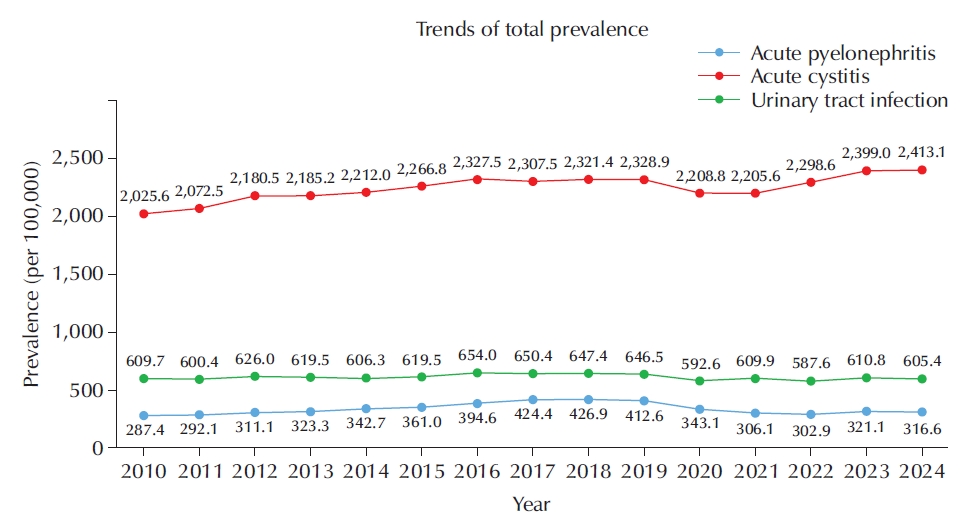
The average annual prevalence per 100,000 was 344.4 for APN, 2,250.2 for AC, and 619.1 for UTI. AC reached its highest prevalence in 2024, despite a temporary decline in 2020. All conditions were more prevalent in females, with AC showing the highest male-to-female ratio of 1:20.4. A sharp 3.06-fold increase in APN prevalence was observed in females transitioning from ages 15–19 to 20–24 age group. Conversely, males showed a significant prevalence jump (1.43-fold) after age 80. In regional analysis, Gangwon State (469.5) and Jeju Special Self-Governing Province (177.9) recorded the highest and lowest APN prevalence, respectively. UTI required the longest hospitalization, while APN stays averaged 9.2 days for males and 9.0 days for females. An increase in related healthcare costs was also identified.
Conclusions
Age and sex are critical determinants of UTI epidemiology. The distinct spike in young females suggests a link to sexual activity, while the surge in elderly males likely correlates with prostatic conditions. These findings provide essential data for establishing targeted public health policies and clinical guidelines.
- 604 View
- 11 Download
- Clinical and Environmental Reservoirs of Pseudomonas aeruginosa in Rural Tanzania: Implications for Diagnostics and Antimicrobial Stewardship
- Philbert Balichene Madoshi, Theresia A. Karuhanga, Sandra Breum Andersen
- Urogenit Tract Infect 2026;21(2):74-88. Published online August 31, 2026
- DOI: https://doi.org/10.14777/uti.2550050025
-
Abstract
PDFPubReaderePub
- Purpose
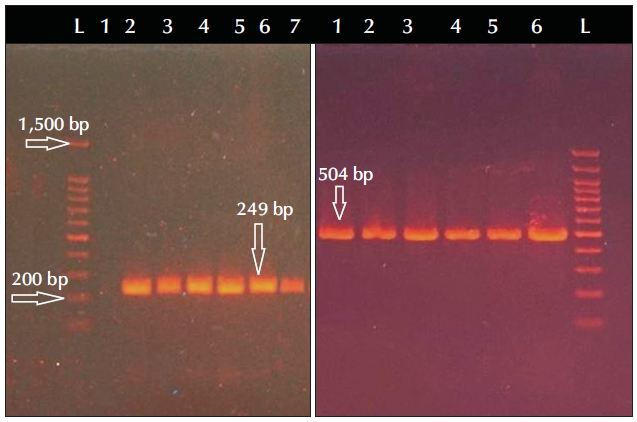
Antimicrobial resistance (AMR) is making urinary tract infections (UTIs) and surgical site infections (SSIs) increasingly difficult to treat, especially in low-resource settings where self-medication and limited laboratory services are common. This study explored knowledge and practices related to AMR and investigated Pseudomonas aeruginosa from clinical and environmental reservoirs in Kilombero, rural Tanzania. Materials and Methods: A cross-sectional study was conducted over 9 months at St. Francis Regional Referral Hospital and selected community markets. Questionnaires were used to assess AMR awareness and antibiotic-use practices among community members and healthcare providers. Urine samples from pregnant women, SSI swabs, and fresh fish samples were collected. Fish were included as indicators of environmental reservoirs and possible foodborne exposure to P. aeruginosa. Presumptive isolates were confirmed using polymerase chain reaction targeting the OprI and OprL genes. Antimicrobial susceptibility testing followed EUCAST (European Committee on Antimicrobial Susceptibility Testing) 2021 guidelines.
Results
Only 34% of community participants correctly identified bacteria as causes of infection, while 19% had no knowledge of bacterial infections or AMR. Ciprofloxacin was the most commonly used antibiotic (49%), and self-diagnosis was frequently reported (35%), particularly among fish vendors. Poor hygiene practices, including hand-washing without soap, were also common. A total of 271 P. aeruginosa isolates were confirmed. Gentamicin showed the highest effectiveness across all sample sources, while resistance to meropenem and ciprofloxacin was substantial, especially among fish and SSI isolates.
Conclusions
Knowledge gaps, self-medication, and inconsistent hygiene coexist with the presence of P. aeruginosa in both clinical samples and fish representing environmental reservoirs Tanzania. Improved diagnostics, antimicrobial stewardship, hygiene practices, and community education are needed to strengthen AMR control using a One Health approach.
- 485 View
- 4 Download
Review Articles
- Urinary Tract Infection and Urolithiasis: A Narrative Review of Pathophysiological Links and Clinical Implications
- Dong Sup Lee
- Urogenit Tract Infect 2026;21(1):3-10. Published online April 30, 2026
- DOI: https://doi.org/10.14777/uti.2652002001
-
Abstract
PDFPubReader
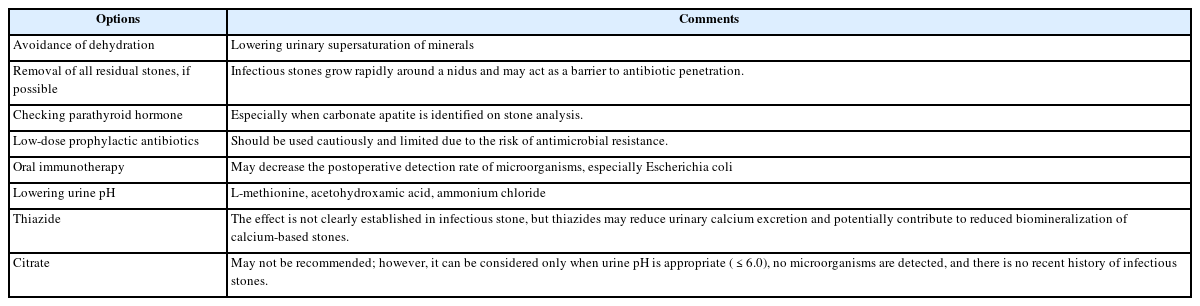
- Urinary tract infection (UTI) and urolithiasis are closely related clinical entities that frequently coexist and influence each other’s pathogenesis and clinical course. Infection-related stones, particularly struvite and carbonate apatite stones, have long been recognized as consequences of ureaseproducing bacterial infections. However, recent evidence suggests that the role of microorganisms—especially Escherichia coli—in stone disease may extend beyond traditional infection stones; in particular, biofilm formation by microorganisms may contribute to the formation and growth of calcium-based stones. This review summarizes current knowledge on the pathophysiological mechanisms linking UTI and urolithiasis, with a focus on the biochemical processes underlying infection-related stone formation, the characteristics of different stone compositions, and emerging concepts regarding bacterial involvement in metabolic stone disease. A better understanding of the interplay between UTI and urolithiasis may improve preventive strategies, guide antimicrobial and surgical decision-making, and ultimately reduce recurrence rates. This review highlights the need for an integrated clinical approach that considers both infectious and metabolic factors in patients with urinary stone disease.
- 7,752 View
- 57 Download
- Beyond Empirical Antibiotics: Toward Precision-Based Urinary Tract Infection Management and Korea-Specific Guidelines
- Sang Rak Bae, Hee Jo Yang
- Urogenit Tract Infect 2026;21(1):11-14. Published online April 30, 2026
- DOI: https://doi.org/10.14777/uti.2550048024
-
Abstract
PDFPubReader
- Urinary tract infection (UTI) remains one of the most common bacterial infections, yet rising antimicrobial resistance and changing healthcare environments have challenged the traditional empiric approach to antibiotic therapy. Recent international guidelines from the European Association of Urology (EAU), Infectious Diseases Society of America (IDSA), and American Urological Association (AUA) collectively demonstrate a paradigm shift toward precision diagnostics, evidencebased antibiotic selection, standardized nonantibiotic prevention strategies, and simplified disease classification systems. The EAU has emphasized culture-based diagnosis, expanded nonantibiotic prophylaxis, and introduced a new framework distinguishing localized from systemic UTI. The IDSA has strengthened restrictions on treating asymptomatic bacteriuria, provided guidance for managing antimicrobial-resistant organisms, and simplified UTI categories. The AUA similarly highlights culture-directed diagnosis and the minimization of prophylactic antibiotics in women with recurrent UTI while formalizing nonantibiotic preventive measures. In Korea, unique resistance patterns, high extended-spectrum beta-lactamase and fluoroquinolone resistance rates, and frequent movement of patients between long-term care facilities and hospitals underscore the need for Korea-specific UTI guidelines. Although national surveillance systems such as KARMS (Korean Antimicrobial Resistance Monitoring System) and KorGLASS (Global Antimicrobial Resistance Surveillance System in Korea) provide valuable data, the evidence base remains insufficient to match the robustness of international guideline development. Establishing updated, Korean-contextualized UTI guidelines is essential for improving patient safety, optimizing antimicrobial stewardship, and effectively responding to the growing threat of resistance. The field is at a pivotal turning point, requiring proactive leadership and coordinated action within Korea’s urological and infectious disease communities.
- 1,417 View
- 22 Download
Original Articles
- Identification of Plasma Biomarker Signatures for Acute and Chronic Cystitis Using Olink Explore Proteomics in UK Biobank
- Chang Gu Kang, Su Kang Kim
- Urogenit Tract Infect 2026;21(1):26-39. Published online April 30, 2026
- DOI: https://doi.org/10.14777/uti.2550046023
-
Abstract
PDFPubReader
- Purpose
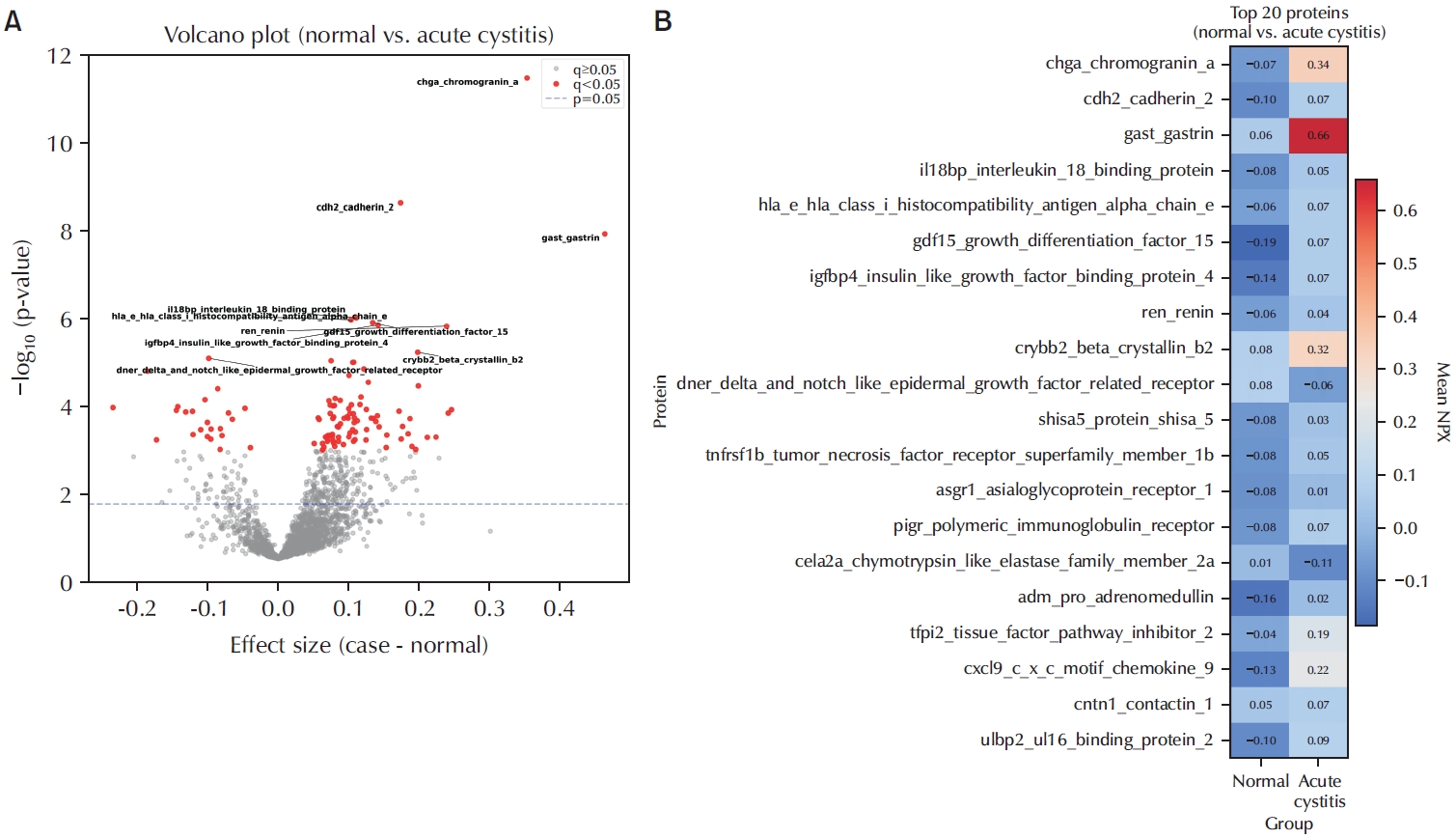
Acute and chronic cystitis represent common yet biologically distinct inflammatory disorders of the lower urinary tract. However, circulating biomarkers capable of differentiating these conditions remain poorly defined. Materials and Methods: Using COMPASS-processed Olink Explore proteomic data from UK Biobank participants, we compared plasma protein profiles across individuals with acute cystitis, chronic cystitis, and normal controls. After stringent quality-control procedures, covariate-adjusted regression models and differential abundance analyses were performed. STRING-based proteinprotein interaction (PPI) networks were constructed to examine systems-level organization of significantly altered proteins.
Results
Among 2,715 participants, acute and chronic cystitis demonstrated distinct systemic proteomic signatures. CHGA (chromogranin A) and GAST (gastrin) were consistently elevated across both phenotypes, indicating shared neuroendocrine-associated systemic responses. Acute cystitis showed selective elevation of CDH2 (cadherin-2), whereas chronic cystitis demonstrated marked increases in GDF15 (growth differentiation factor 15). PPI network analysis revealed a densely interconnected architecture in acute cystitis and a more modular, branch topology in chronic cystitis, reflecting differing organizational patterns of circulating proteins.
Conclusions
This population-level analysis identifies phenotype-specific and shared plasma protein signatures associated with acute and chronic cystitis and provides an initial framework for understanding systemic inflammatory profiles in these conditions. Interpretation should remain cautious given the cross-sectional design, reliance on historical diagnostic classification, and the absence of bladder-specific molecular data. Nonetheless, these findings highlight candidate biomarkers that merit further validation in longitudinal and mechanistic studies.
- 2,480 View
- 19 Download
- The Korean Antimicrobial Resistance Monitoring System for Complicated Urinary Tract Infections: A Prospective Multicenter Observational Study Conducted by the Korean Association of Urogenital Tract Infection and Inflammation
- Seong Hyeon Yu, Seung Il Jung, Donghoon Lim, Jeong Woo Lee, Seung-Ju Lee, Hong Chung, Mi-Mi Oh, Jing Bong Choi, Jae Hung Jung, Hee Jo Yang, KAUTII Investigators
- Urogenit Tract Infect 2026;21(1):15-25. Published online April 30, 2026
- DOI: https://doi.org/10.14777/uti.2550040020
-
Abstract
PDFPubReader
- Purpose
This study aimed to report antimicrobial resistance (AMR) patterns among patients with complicated urinary tract infection (cUTI) using data from the Korean Antimicrobial Resistance Monitoring System (KARMS). Materials and Methods: In this prospective, multicenter, observational surveillance study, data from patients diagnosed with cUTI between January 2023 and September 2025 were retrieved from the KARMS database. Demographic characteristics, uropathogen distribution, and antimicrobial susceptibility profiles of representative pathogens were analyzed.
Results
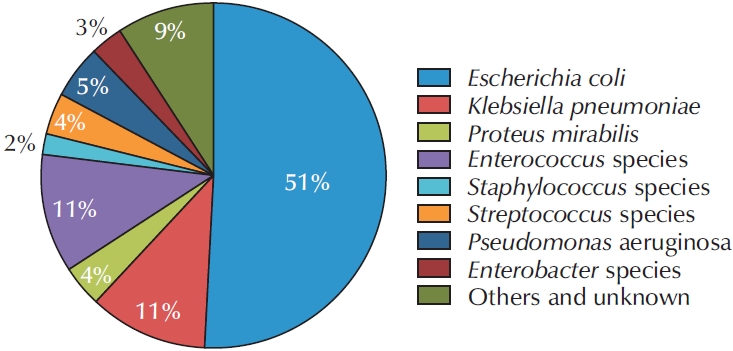
Data from a total of 698 patients were collected in the KARMS database. The mean patient age was 68.94±15.95 years. The numbers of patients with healthcare-associated UTI and recurrent UTI were 171 (24.5%) and 240 (34.4%), respectively. Escherichia coli was the most frequently identified uropathogen (n=356, 51.1%). Regarding antimicrobial susceptibility, 92.9% of isolates were susceptible to fosfomycin, 75.5% to nitrofurantoin, 47.2% to ciprofloxacin, 63.3% to cefotaxime, 80.6% to piperacillin/tazobactam, and 98.8% to ertapenem. The rate of extended-spectrum beta-lactamase positivity was 45.2% (166 of 367) and was significantly higher in pyelonephritis and urosepsis (62.3% and 62.5%, p=0.002), healthcare-associated UTI (58.6%, p=0.040), and recurrent cUTI (53.2%, p=0.028). Fluoroquinolone resistance was significantly more common in female patients (49.1%, p=0.021) and in healthcare-associated UTI (57.9%, p=0.014). Piperacillin/tazobactam resistance was significantly higher in patients with urosepsis (37.0%, p=0.004), in tertiary hospitals (17.2%, p=0.019), and in healthcare-associated UTI (26.4%, p=0.001). In addition, third-generation cephalosporin resistance was significantly higher in secondary hospitals than in tertiary hospitals (43.5% vs. 33.3%, p=0.041).
Conclusions
These data provide current information on uropathogen distribution and AMR patterns in cUTI in South Korea. Continued surveillance and ongoing data accumulation through KARMS will support evidence-based strategies for optimal antimicrobial therapy and AMR mitigation.
- 1,441 View
- 31 Download
Case Report
- Bilateral Xanthogranulomatous Pyelonephritis With Extensive Abscess Associated With Neurogenic Bladder: A Case Report
- Sin Woo Lee, Hee Seung Choi
- Urogenit Tract Infect 2026;21(1):40-43. Published online April 30, 2026
- DOI: https://doi.org/10.14777/uti.2550026013
-
Abstract
PDFPubReader
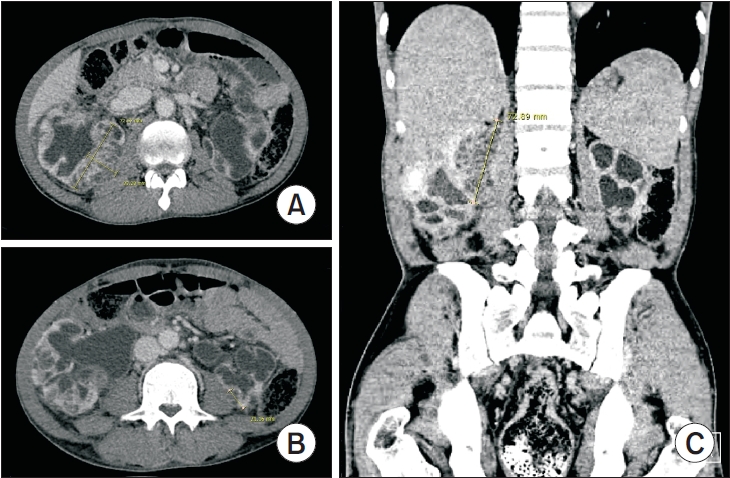
- Xanthogranulomatous pyelonephritis (XGP) is a rare and severe form of chronic pyelonephritis. We report a case of bilateral XGP complicated by extensive abscess formation. A 47-year-old man presented with fatigue and generalized weakness. Laboratory evaluation revealed leukocytosis and elevated serum creatinine levels. Urinalysis demonstrated pyuria and bacteriuria. Computed tomography (CT) revealed bilaterally enlarged kidneys with multifocal renal parenchymal and perirenal abscesses. The CT scan also demonstrated severe bilateral hydronephroureter and diffuse bladder wall thickening, with a radiologic impression of severe pyelonephritis with abscess formation and neurogenic bladder. The patient was admitted and treated with intravenous antibiotics and percutaneous nephrostomy tube placement. However, no clinical improvement was observed with conservative management. The patient subsequently underwent right open radical nephrectomy. Histopathological examination confirmed the diagnosis of XGP with extensive abscess formation. The patient experienced no further complications or recurrence after surgery. This case suggests that chronic untreated neurogenic bladder may contribute to the development of severe chronic pyelonephritis such as XGP.
- 1,074 View
- 19 Download
Review Article
- Adult Syphilis: A Narrative Review of Clinical Insights and Public Health Implications in Urology
- Seung-Ju Lee, Jin Bong Choi
- Urogenit Tract Infect 2025;20(3):123-131. Published online December 31, 2025
- DOI: https://doi.org/10.14777/uti.2550039017
-
Abstract
PDFPubReaderePub
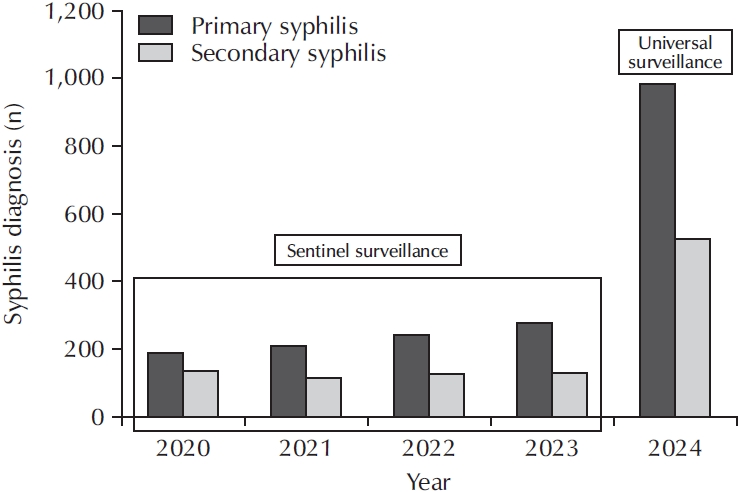
- Syphilis continues to pose a major global public health concern, with more than 7 million cases reported worldwide in 2022, and its incidence continues to rise in numerous regions. In Korea, the shift from sentinel to universal notification in 2024 has revealed a markedly greater disease burden, particularly among men who have sex with men and among younger adults, underscoring changing epidemiological patterns and the urgent need for revised control strategies. In urological practice, syphilis presents with a wide range of often misleading symptoms, including painless genital ulcers, urethritis, and sexual dysfunction, that frequently resemble other genitourinary disorders and complicate diagnostic evaluation. Accurate identification relies on integrating a thorough clinical assessment with serologic testing while remaining alert to diagnostic challenges such as early latent infection, serofast states, and human immunodeficiency virus coinfection. Penicillin G remains the mainstay of therapy, with treatment regimens tailored to the stage of disease and to the presence or absence of central nervous system involvement. Effective partner notification, targeted screening, and consistent follow-up are essential to prevent reinfection and limit further transmission. At a public health level, a multifaceted strategy—strengthened surveillance systems, focused testing in high-risk populations, and embedding syphilis screening within broader sexually transmitted infection care frameworks—is critical to curbing its resurgence. In summary, prompt recognition, adherence to evidence-based management, and coordinated public health measures, together with ongoing advances in diagnostics and prevention, remain fundamental to reducing the continued spread of syphilis and mitigating its impact on both individual and population health.
-
Citations
Citations to this article as recorded by
- Case Report: Secondary syphilis with pulmonary involvement mimicking eosinophilic granulomatosis with polyangiitis — targeted next-generation sequencing as an adjunct in resolving an atypical non-exanthematous presentation
Shunjun Tang, Tiehan Zhang, Aiyi Hao, Bin Su, Bin Liu
Frontiers in Medicine.2026;[Epub] CrossRef
- Case Report: Secondary syphilis with pulmonary involvement mimicking eosinophilic granulomatosis with polyangiitis — targeted next-generation sequencing as an adjunct in resolving an atypical non-exanthematous presentation
- 3,761 View
- 76 Download
- 1 Crossref
Case Report
- Primary Bladder and Ureteral Amyloidosis Initially Diagnosed as Chronic Cystitis: A Case Report
- Seungsoo Lee, Dan Bee Lee, Hyun Jung Lee, Won Hoon Song, Sung-Woo Park, Jong Kil Nam
- Urogenit Tract Infect 2025;20(3):167-172. Published online December 31, 2025
- DOI: https://doi.org/10.14777/uti.2550038019
-
Abstract
PDFPubReaderePub
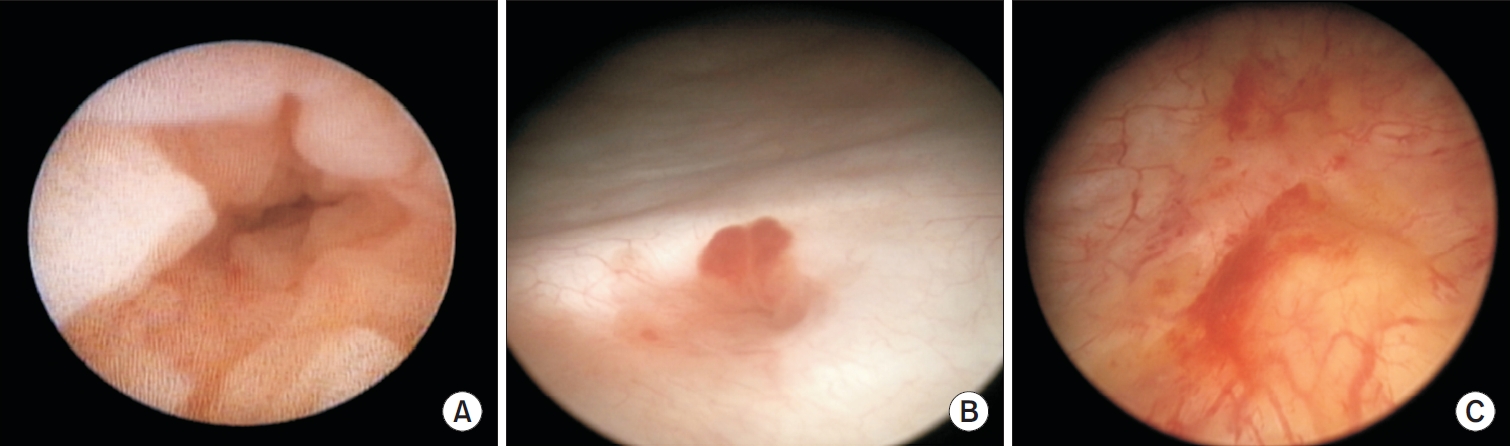
- Primary localized amyloidosis confined to the urinary tract is uncommon and frequently misinterpreted due to clinical and radiologic overlap with more prevalent conditions. We describe a 69-year-old woman who experienced recurrent gross hematuria over 2 years and underwent initial transurethral resection based on a presumptive diagnosis of chronic cystitis. Subsequent evaluation revealed a left ureteral mass with hydronephrosis, raising concern for malignancy. Histopathologic examination of both bladder and ureteral specimens demonstrated amorphous eosinophilic deposits that stained positive with Congo red and showed apple-green birefringence under polarized microscopy. Immunofluorescence confirmed λ-light-chain predominance, establishing AL (amyloid light chain)-type amyloidosis without systemic involvement. The patient underwent complete endoscopic resection and remains asymptomatic during ongoing surveillance. This case highlights the diagnostic challenges posed by localized urinary amyloidosis and underscores the importance of histologic confirmation in atypical inflammatory lesions.
-
Citations
Citations to this article as recorded by- Primary Localized Amyloidosis of the Urinary Bladder Mimicking Urothelial Carcinoma: A Case Report
Gassan M Salih, Saad Masood, Filip Kondylis
Cureus.2026;[Epub] CrossRef
- Primary Localized Amyloidosis of the Urinary Bladder Mimicking Urothelial Carcinoma: A Case Report
- 3,324 View
- 20 Download
- 1 Crossref
Original Article
- Clinical Characteristics and Risk Factors of Fournier Gangrene: A 15-Years Multicenter Retrospective Study in Korea
- Seung-Kwon Choi, Sin Woo Lee, Hyung-Lae Lee, Jeong Woo Lee, Jung Sik Huh, Yeonjoo Kim, Sangrak Bae, Tae-Hyoung Kim
- Urogenit Tract Infect 2025;20(3):159-166. Published online December 31, 2025
- DOI: https://doi.org/10.14777/uti.2550036018
-
Abstract
PDFSupplementary MaterialPubReaderePub
- Purpose
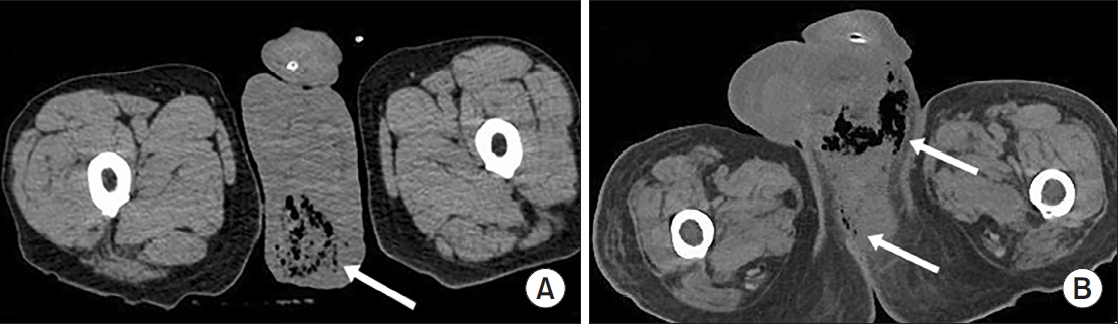
Fournier gangrene (FG) is a rare but life-threatening necrotizing infection requiring prompt recognition and intervention. This multicenter study aimed to investigate the clinical characteristics, treatment outcomes including mortality, and risk factors associated with death among patients with FG over the past 15 years in Korea. Materials and Methods: We retrospectively reviewed 84 patients diagnosed with FG between 2008 and 2022 across 7 hospitals. Demographics, comorbidities, laboratory findings, and clinical outcomes were analyzed. Mortality-related risk factors were assessed using univariate and multivariate logistic regression analysis.
Results
The mean age was 58.1±15.9 years, and 95.2% of patients were male. Diabetes mellitus (42.9%) and hypertension (36.9%) were the most prevalent comorbidities. Sepsis developed in 38.1% of patients, and the overall mortality rate was 14.3%. In univariate analysis, age ≥70 years, low body mass index, diabetes mellitus, low hemoglobin, low hematocrit, high respiratory rate, and Fournier gangrene severity index (FGSI) ≥9 were significantly associated with mortality. After data correction and multivariate adjustment, diabetes mellitus (odds ratio [OR], 39.61; 95% confidence interval [CI], 2.39–656.32; p=0.010) and respiratory rate (OR, 1.44; 95% CI, 1.09–1.91; p=0.011) were identified as independent predictors of mortality. FGSI≥9 demonstrated borderline association with mortality (p=0.08), indicating its potential clinical relevance.
Conclusions
In this multicenter Korean cohort, the mortality rate of FG remained substantial at 14.3%. Diabetes mellitus and elevated respiratory rate were independent predictors of mortality, while FGSI≥9 demonstrated a borderline yet clinically meaningful association, suggesting its role as a useful severity indicator in early risk stratification. -
Citations
Citations to this article as recorded by- A Commentary on “Clinical Characteristics and Risk Factors of Fournier Gangrene: A 15-Years Multicenter Retrospective Study in Korea”
Jae Yoon Kim
Urogenital Tract Infection.2026; 21(1): 44. CrossRef
- A Commentary on “Clinical Characteristics and Risk Factors of Fournier Gangrene: A 15-Years Multicenter Retrospective Study in Korea”
- 3,252 View
- 31 Download
- 1 Crossref
Review Articles
- Beyond the Number: Interpreting Prostate-Specific Antigen Elevation in the Context of Prostate Inflammation
- Byoungkyu Han, Ki-Hyuck Moon
- Urogenit Tract Infect 2025;20(3):132-143. Published online December 31, 2025
- DOI: https://doi.org/10.14777/uti.2550032016
-
Abstract
PDFSupplementary MaterialPubReaderePub
- Prostate-specific antigen (PSA) is indispensable but not cancer specific; inflammation, benign prostatic hyperplasia, urinary retention, ejaculation, and instrumentation can all elevate PSA and complicate cancer risk assessment. This review synthesizes current evidence and guidelines to support clinicians in interpreting PSA elevations when inflammation is present or suspected. Acute febrile urinary tract infection and acute bacterial prostatitis may produce very high PSA values, sometimes exceeding 100 ng/mL, and normalization can be slow; therefore, PSA testing during active infection is discouraged. When PSA is only mildly to moderately elevated, standardized repeat testing is essential because a meaningful proportion of results normalize on retesting. A magnetic resonance imaging (MRI)-first pathway improves detection of clinically significant prostate cancer while reducing overdiagnosis and enables biopsy deferral after a negative MRI under structured monitoring. PSA density (PSAD) further refines triage alongside MRI, with practical working thresholds of roughly 0.10–0.20 ng/mL/cm3 calibrated to MRI quality and pretest risk. However, asymptomatic histologic prostatitis (National Institutes of Health category IV) is common and may raise PSA without reliably altering PSAD, which means that PSAD alone cannot confirm that an elevation is attributable solely to inflammation. Validated secondary biomarkers (e.g., Prostate Health Index, 4Kscore, IsoPSA [isoform PSA], Stockholm3, Proclarix, PCA3 [prostate cancer gene 3], SelectMDx [select molecular diagnostics], ExoDx [exosome diagnostics], MPS/MPS2 [MyProstateScore/MyProstateScore 2.0]) are best used selectively when MRI is negative or equivocal and clinical risk remains uncertain. A pragmatic sequence—confirm, image, and refine—helps minimize missed clinically significant cancer while reducing unnecessary antibiotics and biopsies when inflammation is the predominant driver of PSA elevation.
-
Citations
Citations to this article as recorded by- An Unusual Presentation of a Complicated Urinary Tract Infection With Features Concerning for Malignancy: A Diagnostic Challenge
Drew K Knight, Tailla Santos, Amber J Stout, Adrian Martinez Crespo, Ilya Fonarov
Cureus.2026;[Epub] CrossRef - Analysis of Prostate-Specific Antigen Levels in a Population-Based Prostate Cancer Screening Program at Hiwa Hospital, Sulaymaniyah, Iraq
Sara Jamil Nidhamalddin, Rebar Ali Mohammed , Bushra Hassan Marouf, Shahlaa Mohammed Saeed Rasul, Dalshad Hama Khurshid Rahman, Dana Nasiraldeen Muhealdeen, Yad Noori Othman
Al-Rafidain Journal of Medical Sciences ( ISSN 2789-3219 ).2026; 11(1): 237. CrossRef
- An Unusual Presentation of a Complicated Urinary Tract Infection With Features Concerning for Malignancy: A Diagnostic Challenge
- 14,530 View
- 99 Download
- 2 Crossref
- Regenerative Medicine for the Kidney
- Vladimir Mashanov, Ji Hyun Kim
- Urogenit Tract Infect 2025;20(3):144-158. Published online December 31, 2025
- DOI: https://doi.org/10.14777/uti.2550028014
-
Abstract
PDFPubReaderePub
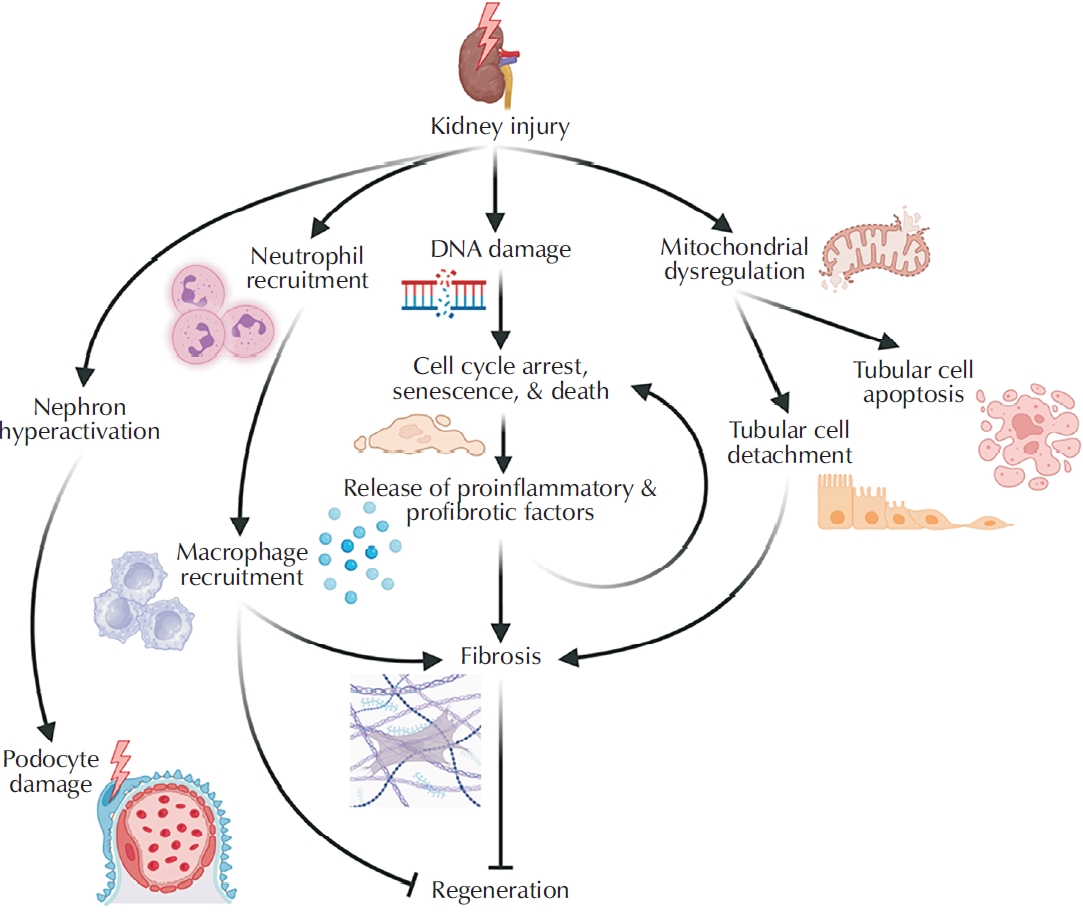
- Kidney disease poses a major and growing global health challenge, with both prevalence and mortality continuing to rise. Current standard-of-care treatments, including dialysis and kidney transplantation, have significant limitations and do not adequately meet clinical needs. This unmet need has driven the development of next-generation regenerative medicine strategies, which can be broadly categorized into 3 areas: (1) approaches that enhance the kidney’s limited intrinsic regenerative capacity; (2) stem cell-based therapies; and (3) implantable bioengineered kidney constructs. This review summarizes recent advances in each of these domains and discusses the major biological, technical, and regulatory challenges that must be addressed to enable successful clinical translation.
- 4,206 View
- 34 Download
Case Report
- Cyclic Hematuria Misdiagnosed as Hemorrhagic Cystitis in a Rare Case of Vesicouterine Fistula Post-Cesarean Section: A Case Report of Youssef Syndrome
- Youngjoo Kim
- Urogenit Tract Infect 2025;20(2):114-117. Published online August 31, 2025
- DOI: https://doi.org/10.14777/uti.2550024012
-
Abstract
PDFPubReader
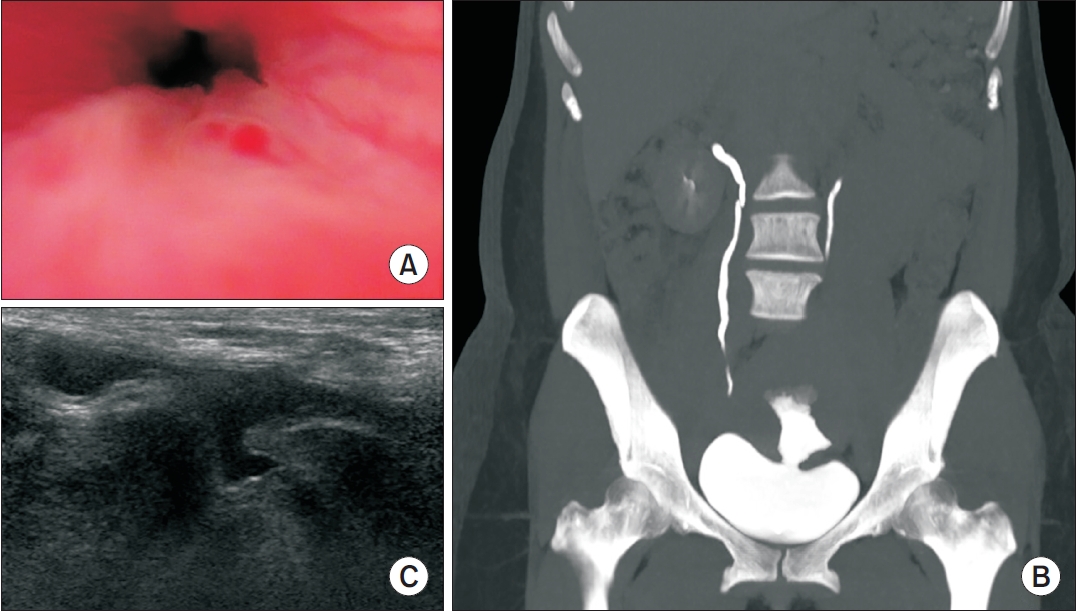
- Vesicouterine fistulas are rare complications that may occur following cesarean sections and are frequently misdiagnosed due to their diverse clinical presentations. This report presents a case involving a small vesicouterine fistula initially managed conservatively, which later manifested as cyclic hematuria mimicking hemorrhagic cystitis, ultimately leading to a diagnosis of Youssef syndrome. A 45-year-old woman developed persistent vaginal urinary leakage 3 weeks after a cesarean section. Diagnostic evaluation confirmed a small (<1 cm) vesicouterine fistula. Conservative management with Foley catheterization resulted in spontaneous closure. Four months later, the patient experienced cyclic gross hematuria and dysuria without menstruation, and was subsequently diagnosed with Youssef syndrome. Hormonal therapy using continuous oral contraceptives successfully resolved the hematuria, providing a noninvasive therapeutic option. This case highlights the importance of considering Youssef syndrome in patients with cyclic hematuria after cesarean section, in order to distinguish it from hemorrhagic cystitis and ensure timely, appropriate management.
-
Citations
Citations to this article as recorded by- Editorial for Urogenital Tract Infection (UTI) 2025 Vol. 20 No. 2 – Highlights of This Issue’s Papers and the UTI Editors’ Pick
Koo Han Yoo
Urogenital Tract Infection.2025; 20(2): 55. CrossRef
- Editorial for Urogenital Tract Infection (UTI) 2025 Vol. 20 No. 2 – Highlights of This Issue’s Papers and the UTI Editors’ Pick
- 3,329 View
- 18 Download
- 1 Crossref
Original Article
- Diagnostic Utility of the Sysmex UF-5000 Flow Cytometer in Acute Bacterial Prostatitis: A Retrospective Pilot Study
- Young Kyu Han, Jeong Woo Lee, Hae-Il Park, Jin Bong Choi
- Urogenit Tract Infect 2025;20(2):107-113. Published online August 31, 2025
- DOI: https://doi.org/10.14777/uti.2550022011
-
Abstract
PDFSupplementary MaterialPubReader
- Purpose
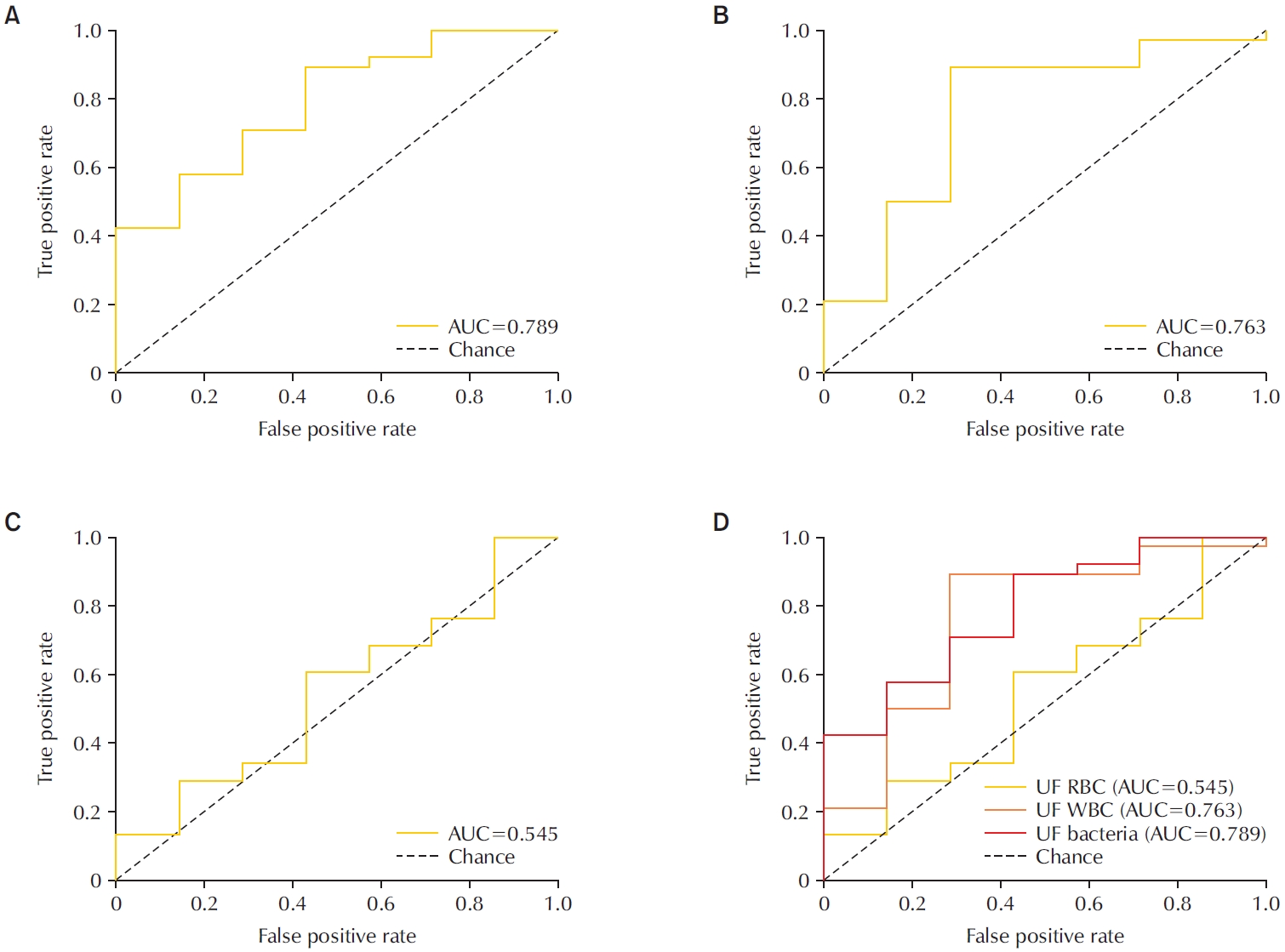
To evaluate the diagnostic performance of the Sysmex UF-5000 flow cytometer in detecting acute bacterial prostatitis (ABP) compared to standard urine culture. Materials and Methods: This retrospective study analyzed 45 urine samples from patients with a clinical diagnosis of ABP. Each sample was evaluated using the UF-5000 to measure red blood cells (RBC), white blood cells (WBC), and bacterial counts, and the results were compared with those from standard urine culture and Gram staining. Receiver operating characteristic curves were generated, and sensitivity, specificity, positive predictive value (PPV), and negative predictive value were determined. Concordance between Gram classification by the UF-5000 and conventional Gram staining was also evaluated.
Results
Of the 45 patients, 84.4% had positive urine cultures. The bacterial count parameter demonstrated the highest diagnostic performance (area under the curve [AUC]=0.79; sensitivity, 89.5%; PPV, 91.9%), outperforming WBC (AUC=0.76) and RBC (AUC=0.55). The Gram classification flag showed an overall concordance of 85.7% with conventional Gram staining, with a concordance rate of 88% for Gram-negative organisms.
Conclusions
The Sysmex UF-5000 exhibited good concordance with urine culture for patients with ABP, particularly through the bacterial count parameter. Although it does not replace culture, the UF-5000 may serve as a rapid adjunctive tool to support early clinical decision-making in suspected ABP cases. -
Citations
Citations to this article as recorded by- Editorial for Urogenital Tract Infection (UTI) 2025 Vol. 20 No. 2 – Highlights of This Issue’s Papers and the UTI Editors’ Pick
Koo Han Yoo
Urogenital Tract Infection.2025; 20(2): 55. CrossRef - A Commentary on “Diagnostic Utility of the Sysmex UF-5000 Flow Cytometer in Acute Bacterial Prostatitis: A Retrospective Pilot Study”
Dong-Hoon Lim
Urogenital Tract Infection.2025; 20(3): 173. CrossRef
- Editorial for Urogenital Tract Infection (UTI) 2025 Vol. 20 No. 2 – Highlights of This Issue’s Papers and the UTI Editors’ Pick
- 3,743 View
- 82 Download
- 2 Crossref
Review Articles
- Molecular Mechanisms of Antibiotic Resistance in Uropathogenic Escherichia coli: A Narrative Review
- Nakjun Choi, Dong Uk Kim, Eun-Jin Lee
- Urogenit Tract Infect 2025;20(2):96-106. Published online August 31, 2025
- DOI: https://doi.org/10.14777/uti.2550018009
-
Abstract
PDFPubReader
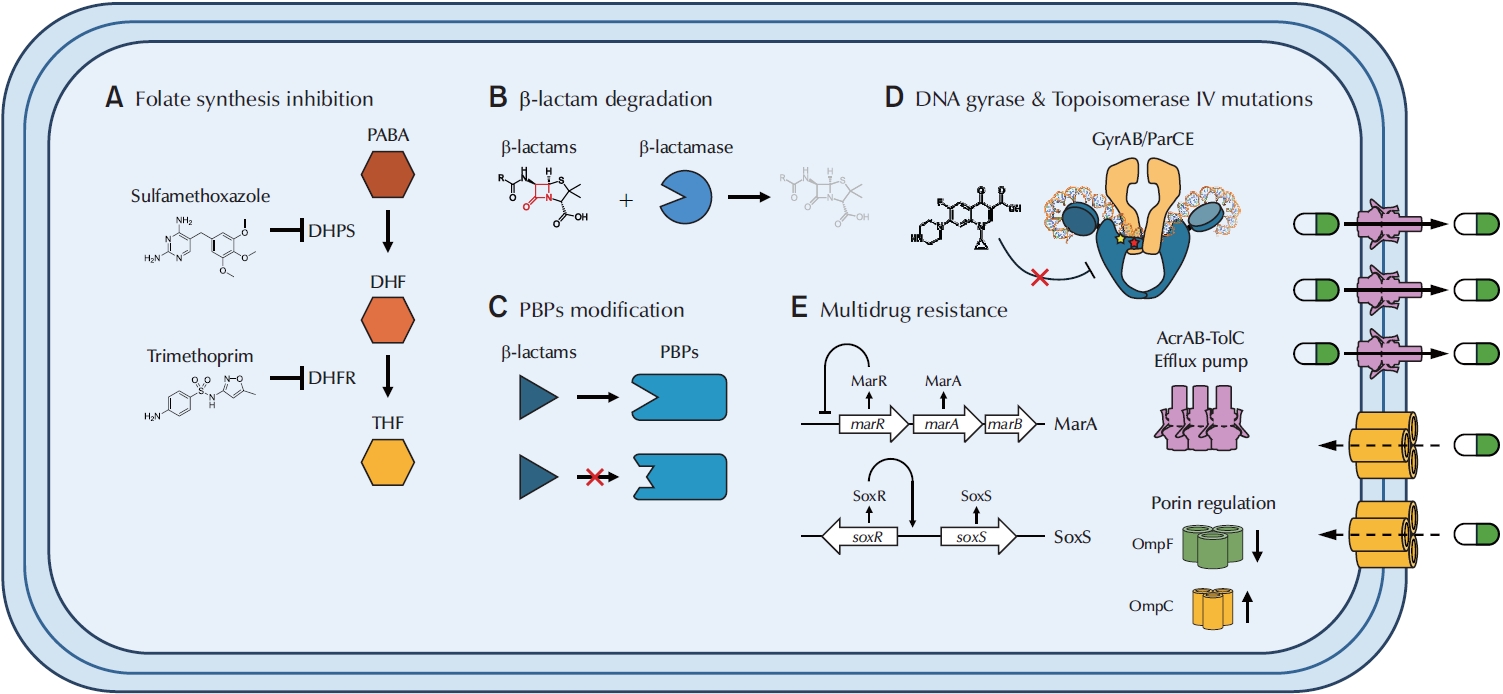
- Urinary tract infections (UTIs) are among the most prevalent bacterial infections worldwide, with uropathogenic Escherichia coli (UPEC) serving as the primary causative agent. Although antibiotic therapy remains the standard of care for UTI treatment, the increasing prevalence of antimicrobial resistance has substantially reduced the effectiveness of commonly prescribed antibiotics. Resistance to trimethoprim-sulfamethoxazole (TMP-SMX), β-lactams, and fluoroquinolones is particularly concerning, as these agents constitute the principal therapeutic options for UTIs. This review examines the molecular mechanisms underlying UPEC resistance to these three classes of antibiotics, including target site modifications, efflux pump overexpression, porin regulation, and enzymatic degradation. Furthermore, it explores how these resistance determinants contribute to the development of multidrug-resistant (MDR) UPEC strains, which demonstrate cross-resistance to multiple antibiotics and present significant challenges for clinical management. Novel therapeutic strategies, such as efflux pump inhibitors, bacteriophage therapy, and genomic-guided precision medicine, are under investigation as potential solutions to address the growing global burden of MDR UPEC, alongside alternative non-antibiotic treatments. This review aims to provide a comprehensive overview of the genetic and regulatory pathways driving antibiotic resistance in UPEC, offering insights that may guide the development of effective treatment strategies and help mitigate the ongoing spread of antimicrobial resistance.
-
Citations
Citations to this article as recorded by- Biological mechanisms and social determinants of antimicrobial resistance
Madhulika Bajpai, Tanisha Saraf, Urmi Bajpai
Biochemical and Biophysical Research Communications.2026; 828: 154075. CrossRef -
Phenotypic and molecular evaluation of efflux pump activity and biofilm formation in clinical MDR
Klebsiella pneumoniae
isolates
Samaa Sameh Bakr, Dina Eid Rizk, El Sayed E. Habib, Enas Yasser Sultan
Egyptian Journal of Basic and Applied Sciences.2026; 13(1): 251. CrossRef - Rapid diagnostics innovations for urinary tract infections using molecular biology, artificial intelligence and antimicrobial resistance surveillance: a comprehensive review
Soniya Goyal, Pooja Sharma, Deepak Aggarwal, Sameer Singh Faujdar
Molecular Biology Reports.2026;[Epub] CrossRef - Antibiofilm activity of benzophenone-2 against uropathogenic Escherichia coli
Lakshi Sihara Jayasekara, Bharath Reddy Boya, Jin-Hyung Lee, Jintae Lee
Journal of Applied Microbiology.2026;[Epub] CrossRef - Uropathogenic Escherichia coli in Recurrent Urinary Tract Infection: Intracellular Persistence, Immune Evasion, Antimicrobial Resistance, and Non-Antibiotic Interventions
A. L. Sreelekshmi, Abhijith Pulimoottil Jaykumar, Pradeesh Babu, Aravind Madhavan, Bipin G. Nair, Geetha B. Kumar
Antibiotics.2026; 15(9): 847. CrossRef - Editorial for Urogenital Tract Infection (UTI) 2025 Vol. 20 No. 2 – Highlights of This Issue’s Papers and the UTI Editors’ Pick
Koo Han Yoo
Urogenital Tract Infection.2025; 20(2): 55. CrossRef
- Biological mechanisms and social determinants of antimicrobial resistance
- 13,166 View
- 280 Download
- 6 Crossref
- The Role of the Urinary Microbiome in the Prevention of Pediatric Urinary Tract Infections: A Narrative Review
- Byeongdo Song
- Urogenit Tract Infect 2025;20(2):82-95. Published online August 31, 2025
- DOI: https://doi.org/10.14777/uti.2550016008
-
Abstract
PDFPubReader
- Urinary tract infections (UTIs) are a common condition in children and often lead to hospitalization. A considerable proportion of children with UTIs (up to 30%) experience at least one recurrence, placing them at risk for long-term complications such as renal scarring. Since the concept of the microbiome was first introduced in 2001, increasing attention has been given to the role of the urinary tract microbiome in maintaining urinary tract homeostasis. Dysbiosis of the urinary microbiome has been recognized as a factor associated with an increased risk of various urinary tract diseases, including UTIs. However, the specific role of the urinary microbiome in the pathophysiology of pediatric UTIs remains incompletely understood. The present review examines recent studies on the urinary microbiome in children and summarizes current strategies for modulating the urinary microbiome to prevent UTI recurrence in the pediatric population.
-
Citations
Citations to this article as recorded by- Editorial for Urogenital Tract Infection (UTI) 2025 Vol. 20 No. 2 – Highlights of This Issue’s Papers and the UTI Editors’ Pick
Koo Han Yoo
Urogenital Tract Infection.2025; 20(2): 55. CrossRef
- Editorial for Urogenital Tract Infection (UTI) 2025 Vol. 20 No. 2 – Highlights of This Issue’s Papers and the UTI Editors’ Pick
- 7,610 View
- 95 Download
- 1 Crossref
- Beta-Lactamase-Mediated Antibiotic Resistance in Urinary Tract Infections: Mechanisms and Therapeutic Strategies
- Fanglin Shao, Dengxiong Li, Jie Wang, Zhouting Tuo, Zhipeng Wang, Wuran Wei, Ruicheng Wu, Dechao Feng
- Urogenit Tract Infect 2025;20(2):67-81. Published online August 31, 2025
- DOI: https://doi.org/10.14777/uti.2550012006
-
Abstract
PDFPubReader
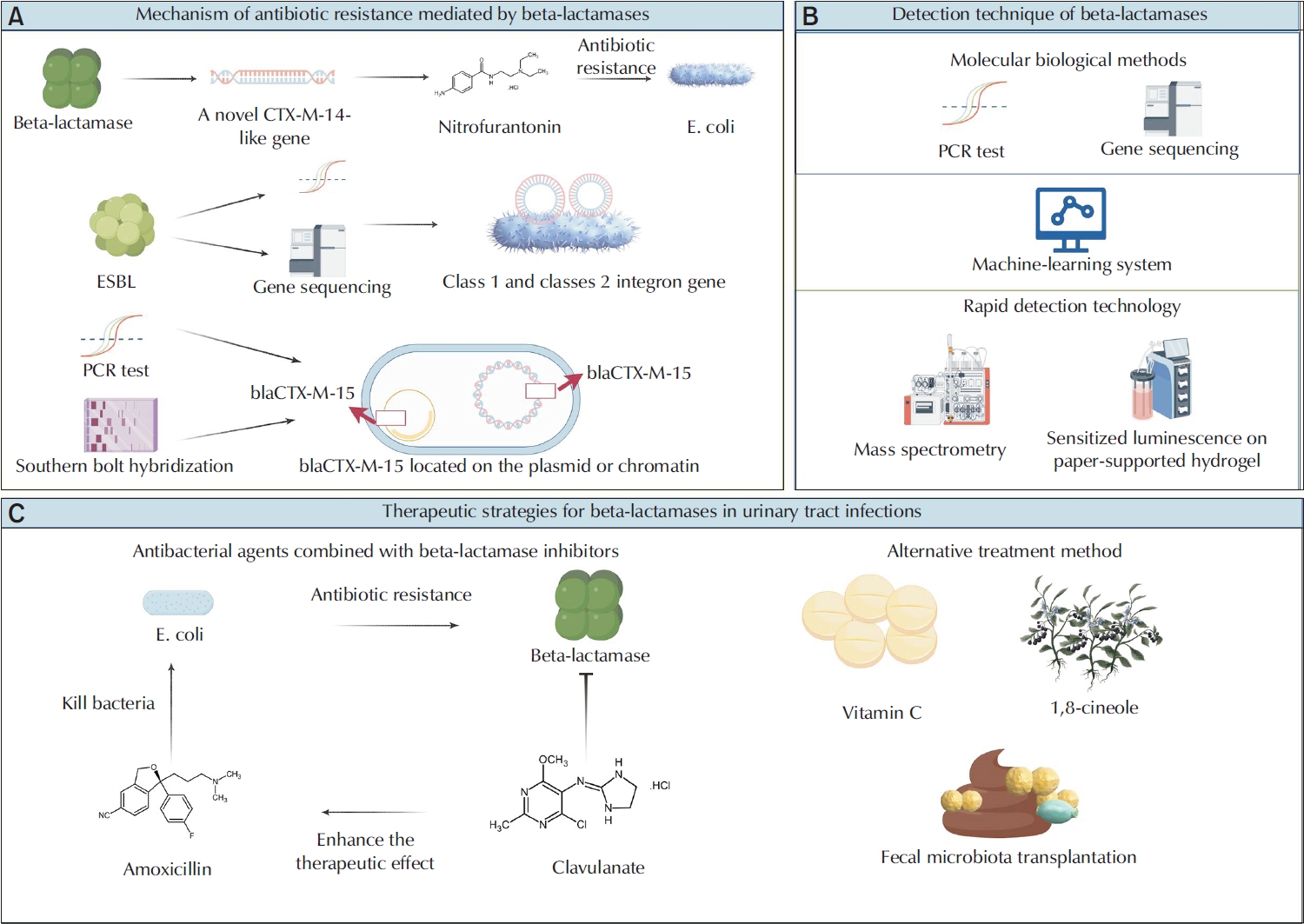
- Urinary tract infections (UTIs) are among the most prevalent bacterial infections globally, and are primarily caused by Escherichia and Klebsiella. The overprescription and inappropriate use of antibiotics have accelerated the emergence of multidrug-resistant bacteria. Beta-lactamases play a critical role in mediating antibiotic resistance in UTIs. These enzymes promote bacterial resistance through multiple mechanisms, including gene mutation, plasmid-mediated horizontal gene transfer, and the involvement of integrons. Comprehensive knowledge of the ways in which beta-lactamases contribute to resistance in UTIs is essential for improving treatment strategies. Advances in detection technologies, such as gene sequencing and mass spectrometry, have greatly enhanced the ability to monitor and predict bacterial resistance. Current therapeutic strategies include the application of beta-lactamase inhibitors, the development of novel antibiotics, and alternative treatments that have shown efficacy against beta-lactamase-mediated antibiotic resistance. This paper reviews the mechanisms of beta-lactamase-mediated resistance in UTIs and provides an in-depth overview of several detection methods and therapeutic approaches.
-
Citations
Citations to this article as recorded by- Erosion of empirical therapy: a multi-regional cross-sectional study of antimicrobial resistance in community-acquired urinary tract infections in Lebanon
Soumaya Hijazi, Souraya Domiati, Kamar Al Halabi, Zeina Ayash, Mira El Charif, Bahia Maatouk, Deema Rahme
International Journal of Infectious Diseases.2026; 170: 108828. CrossRef - Prevalence and β-Lactam Resistance of Enterobacterales Isolated from Urinary Samples in a Regional Hospital in Poland: Special Emphasis on Elderly Population
Łucja Dudzik, Paweł Migdał, Piotr Misiąg, Paweł Krzyżek, Ewa Dworniczek
Pathogens.2026; 15(8): 840. CrossRef - Epidemiology and predictors of multidrug-resistant Enterobacteriaceae in intensive care units of a tertiary hospital in Somalia: a five-year retrospective study (2019–2024)
Omar Sidow Zubair, Yusuf Hared Abdi, Tigad Abdisad Ali, Zakaria Ibrahim Issack, Abdirahman Abdirizak Ahmed
Frontiers in Antibiotics.2026;[Epub] CrossRef - Phenotypic ESBL and AmpC in community-acquired urinary tract infections in Babylon, Iraq: Empirical therapy mismatch and clinical outcomes
Yasameen Riyadh Saeed Al-Azzawi, Thanaa Abdulmahdi Mokif, Fakhri Alajeel, Tahreer Hadi Saleh
Ukrainian Journal of Nephrology and Dialysis.2026; (3(91)): 45. CrossRef - Editorial for Urogenital Tract Infection (UTI) 2025 Vol. 20 No. 2 – Highlights of This Issue’s Papers and the UTI Editors’ Pick
Koo Han Yoo
Urogenital Tract Infection.2025; 20(2): 55. CrossRef
- Erosion of empirical therapy: a multi-regional cross-sectional study of antimicrobial resistance in community-acquired urinary tract infections in Lebanon
- 14,265 View
- 142 Download
- 5 Crossref
- Asymptomatic Bacteriuria in Older Adults – Diagnosis, Management, and Future Directions: A Narrative Review
- Ki Hong Kim, Hee Jo Yang
- Urogenit Tract Infect 2025;20(2):58-66. Published online August 31, 2025
- DOI: https://doi.org/10.14777/uti.2550002001
-
Abstract
PDFPubReader
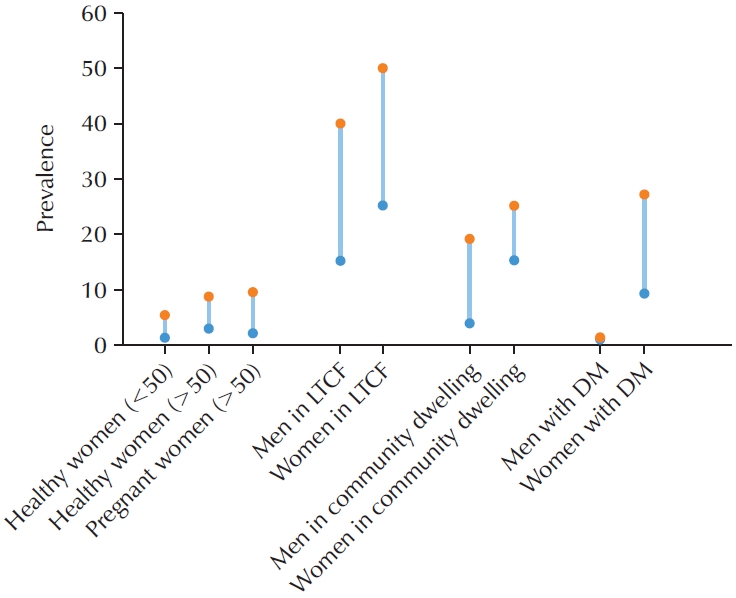
- Asymptomatic bacteriuria (ASB) is defined as the presence of bacteria in the urine in the absence of urinary tract infection (UTI) symptoms. The prevalence of ASB increases with advancing age, particularly among older patients with underlying health conditions. ASB is especially common among residents of long-term care facilities; however, distinguishing ASB from symptomatic UTI in this population remains a significant clinical challenge. The frequent occurrence of ASB often results in unnecessary antibiotic administration, thereby contributing to the development of antibiotic resistance. Current clinical guidelines recommend screening for and treating ASB only in certain circumstances, such as prior to urological procedures or in pregnant women. There is a pressing need for improved diagnostic approaches to differentiate ASB more accurately from UTI, particularly in older adults. Reducing unnecessary urine testing and inappropriate antibiotic use may help prevent over-treatment and minimize associated risks, including Clostridium difficile infection and increased antimicrobial resistance.
-
Citations
Citations to this article as recorded by- Effect of systemic enzyme therapy on the incidence of stentassociated infectious complications in female patients with urolithiasis: a multicentre study
S. V. Kotov, A. A. Nemenov, R. A. Perov, I. E. Mamaev, S. V. Belomyttsev, S. A. Pulbere, A. D. Bolotov
Urology Herald.2026; 14(2): 56. CrossRef - In Vitro Activity of Mecillinam Against ESBL- and Non-ESBL-Producing Escherichia coli and Klebsiella pneumoniae Urinary Isolates
Alvaro Irigoyen-von-Sierakowski, Ramón Pérez-Tanoira, Pilar Galicia, Manuel Linares-Rufo, María Ropero-Martínez, Harold Bermúdez-Marval, Carlos García-Bertolín, José Vázquez-Mariño, Juan Cuadros-González
Acta Microbiologica Hellenica.2026; 71(3): 33. CrossRef - Association Between Asymptomatic Bacteriuria and Adverse Pregnancy and Birth Outcomes
Batool Munhim Jubair, Zainab Tariq Alyassin
Clinical Medicine and Health Research Journal.2026; 06(05): 1908. CrossRef - Editorial for Urogenital Tract Infection (UTI) 2025 Vol. 20 No. 2 – Highlights of This Issue’s Papers and the UTI Editors’ Pick
Koo Han Yoo
Urogenital Tract Infection.2025; 20(2): 55. CrossRef
- Effect of systemic enzyme therapy on the incidence of stentassociated infectious complications in female patients with urolithiasis: a multicentre study
- 31,480 View
- 374 Download
- 4 Crossref
- Advances in the Diagnosis of Urinary Tract Infection: A Narrative Review
- Juan Victor Ariel Franco, Nicolás Meza
- Urogenit Tract Infect 2025;20(1):17-27. Published online April 30, 2025
- DOI: https://doi.org/10.14777/uti.2550020010
-
Abstract
PDFPubReaderePub
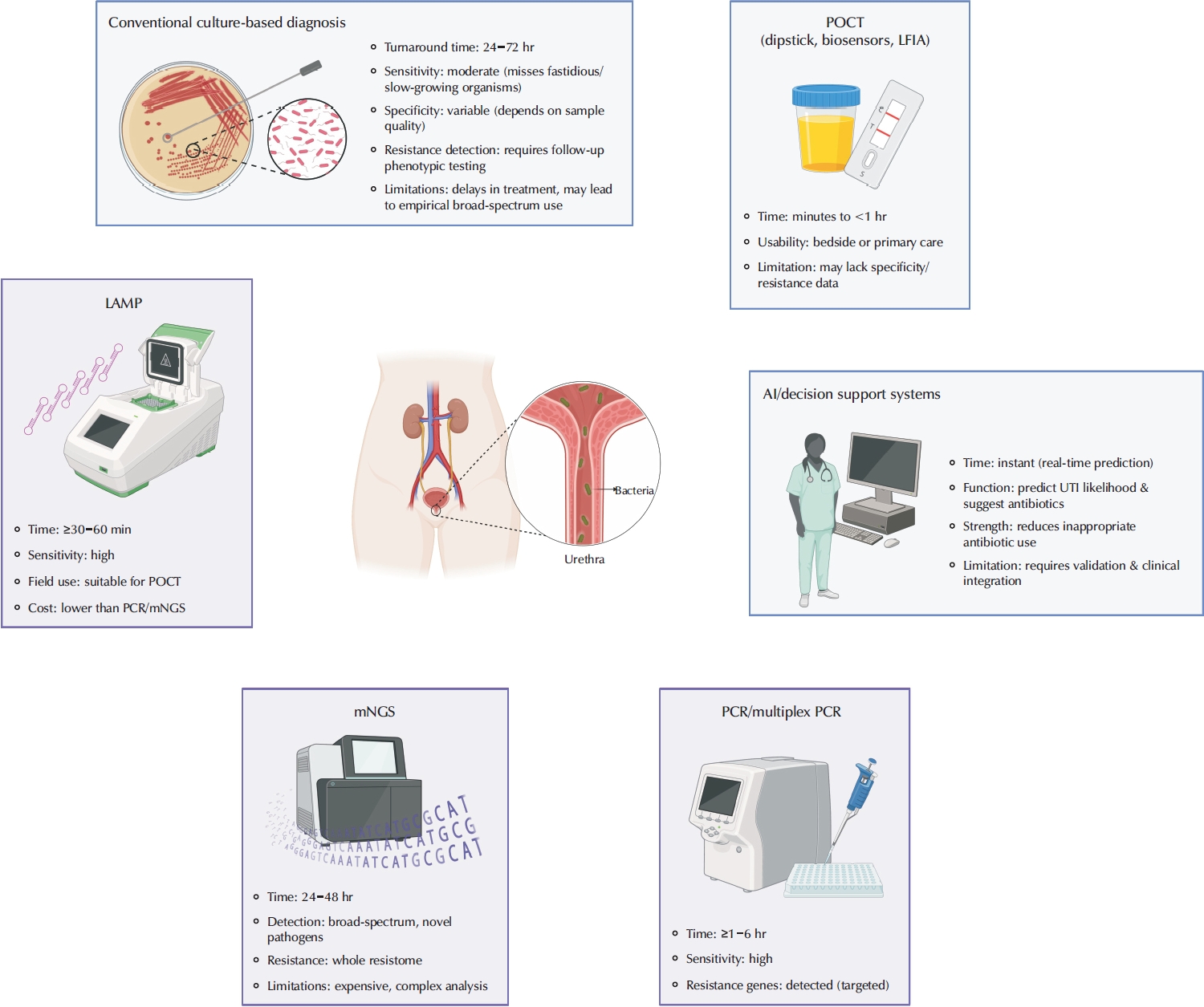
- Urinary tract infections are among the most frequent bacterial infections, significantly impacting patient morbidity and healthcare resources. Prompt and accurate diagnosis is crucial to ensure effective treatment, prevent complications such as pyelonephritis or sepsis, and reduce inappropriate antibiotic use, contributing to antimicrobial resistance (AMR). Despite consensus across international guidelines from organizations, challenges persist, particularly in distinguishing true infections from asymptomatic bacteriuria or nonspecific symptoms, especially in older adults. Recent advancements in diagnostic technology have emerged to address these limitations, including molecular diagnostics, point-of-care testing (POCT), and artificial intelligence (AI)-driven predictive models. Molecular techniques, notably polymerase chain reaction, loop-mediated isothermal amplification, and metagenomic next-generation sequencing, offer enhanced sensitivity and specificity, rapid detection times, and comprehensive identification of pathogens and resistance profiles. POCT innovations, such as lateral flow immunoassays, enzymatic-based rapid tests, and novel biosensors, facilitate prompt bedside diagnosis, although specificity challenges remain. Meanwhile, AI and machine learning models demonstrate significant potential for risk stratification, prediction of infection, and improving antibiotics prescription practices yet face barriers related to validation, practical integration, and clinical acceptability. Despite promising developments, significant gaps remain, including limited real-world implementation evidence, high costs, and insufficient data from diverse populations. Further rigorous clinical studies, economic evaluations, and practical implementation assessments are urgently required. Addressing these research gaps could substantially improve patient outcomes, optimize antibiotic stewardship, and reduce the global burden of AMR.
-
Citations
Citations to this article as recorded by- Diagnosis of urinary tract infections in the pediatric population – current practices, advances and progress
Maria Bitsori, Roza-Ioanna Poulaki, Emmanouil Galanakis
Expert Review of Anti-infective Therapy.2026; 24(1): 139. CrossRef - An update on Escalating Drug Resistance among Uropathogenic Bacteria: Challenges in Treatment and Scope for Maneuver
Mohd Asim, Syed Ahmed Rizvi, Vikar Ahmed, Qazi Mohd Rizwanul Haq
Current Microbiology.2026;[Epub] CrossRef - Comparison of OneChoice AI-Based Clinical Decision Support Recommendations with Infectious Disease Specialists and Non-Specialists for Empirical Urinary Tract Infection Therapy in Lima, Peru
Juan Carlos Gómez de la Torre, Ari Frenkel, Carlos Chavez-Lencinas, Alicia Rendon, Max Fabian, José Alonso Cáceres-DelAguila, Diana Minchon-Vizconde, Miguel Hueda-Zavaleta
Diagnostics.2026; 16(17): 2708. CrossRef - Identification of Common Uropathogens in Patients with Culture-Confirmed Urinary Tract Infection
Ejaz Ahmed, Warda Azhar
Journal of Surgery and Advanced Medical Research.2026; 1(1): 9. CrossRef - Editorial for UTI 2025 Vol. 20 No. 1 - Highlights of This Issue’s Papers and the UTI Editors’ Pick
Koo Han Yoo
Urogenital Tract Infection.2025; 20(1): 1. CrossRef
- Diagnosis of urinary tract infections in the pediatric population – current practices, advances and progress
- 18,933 View
- 505 Download
- 5 Crossref
Original Article
- Efficacy of Urovaxom for Improving Chronic Pelvic Pain Syndrome Symptoms in Prostate Cancer Patients Who Underwent Radical Prostatectomy: A Multicenter, Prospective Cohort Study
- Jun-Koo Kang, Yun-Sok Ha, Sungchan Park, Tae Gyun Kwon, Tae-Hwan Kim
- Urogenit Tract Infect 2025;20(1):42-47. Published online April 30, 2025
- DOI: https://doi.org/10.14777/uti.2550014007
-
Abstract
PDFPubReaderePub
- Purpose
Chronic pelvic pain syndrome (CPPS) is a multifactorial condition that can significantly diminish quality of life. Although some patients have reported persistent pelvic pain after radical prostatectomy (RP), the prevalence and direct causal relationship between CPPS and RP remain unclear. This multicenter prospective study aimed to evaluate the efficacy of Urovaxom for improving CPPS symptoms. Materials and Methods: A total of 52 prostate cancer patients who underwent RP were enrolled and administered Urovaxom (60 mg/day) for 12 weeks. Changes in National Institutes of Health Chronic Prostatitis Symptom Index (NIH-CPSI), overactive bladder symptom score (OABSS), International Prostate Symptom Score (IPSS), and inflammation markers (white blood cell [WBC], C-reactive protein [CRP]) were analyzed using the Wilcoxon signed-rank test.
Results
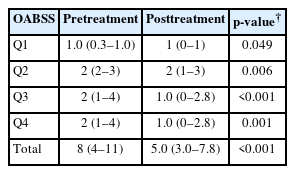
After 12 weeks of treatment, the NIH-CPSI total score significantly decreased from 19 (interquartile range [IQR], 16–23) to 12.5 (IQR, 8.0–16.8) (p<0.001). The OABSS total score decreased from 8 (IQR, 4–11) to 5 (IQR, 3.0–7.8), and the IPSS total score decreased from 13.5 (IQR, 10.0–22.8) to 10.5 (IQR, 5.0–17.0) (p<0.001). WBC levels showed a slight increase (p=0.028), but the clinical relevance of this change is uncertain and warrants further investigation. CRP changes were not statistically significant (p=0.274).
Conclusions
Urovaxom demonstrated significant efficacy in improving CPPS symptoms, particularly pain and reduced quality of life, in patients following RP. These findings suggest Urovaxom as a potential therapeutic option for CPPS after management using RP. -
Citations
Citations to this article as recorded by- Editorial for UTI 2025 Vol. 20 No. 1 - Highlights of This Issue’s Papers and the UTI Editors’ Pick
Koo Han Yoo
Urogenital Tract Infection.2025; 20(1): 1. CrossRef - Addressing an Unmet Need in Postprostatectomy Care: Perspectives on Urovaxom
Byeong Jin Kang
Urogenital Tract Infection.2025; 20(2): 118. CrossRef
- Editorial for UTI 2025 Vol. 20 No. 1 - Highlights of This Issue’s Papers and the UTI Editors’ Pick
- 9,109 View
- 68 Download
- 2 Crossref
Case Report
- Hemangioma Mistaken for Renal Cell Carcinoma in a Patient With End-Stage Renal Disease: A Case Report
- Hyung-Lae Lee, Dong-Gi Lee, Jeong Woo Lee, Jeonghyouk Choi
- Urogenit Tract Infect 2025;20(1):48-51. Published online April 30, 2025
- DOI: https://doi.org/10.14777/uti.2550008004
-
Abstract
PDFPubReaderePub
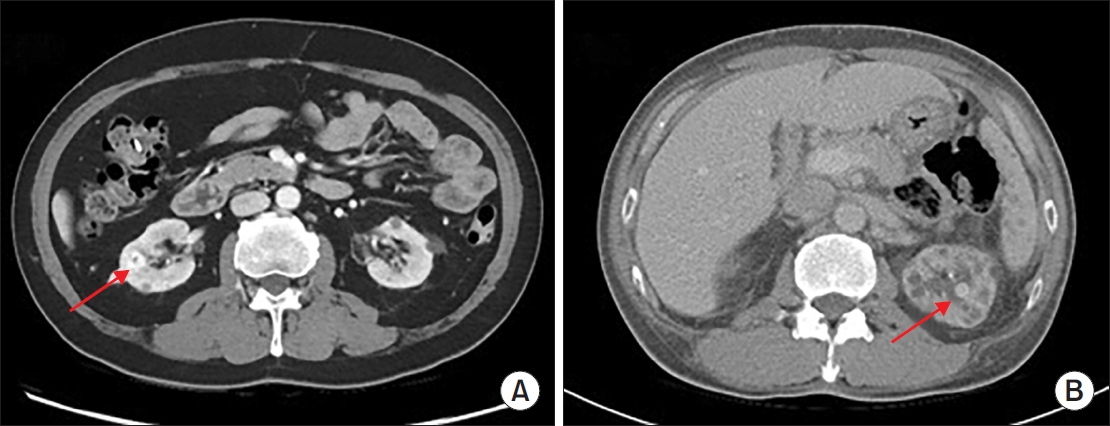
- Hemangiomas are rare, benign vascular neoplasms that are more common in patients with end-stage renal disease. Here, we describe 2 cases of hemangioma misdiagnosed as renal cell carcinoma before renal transplantation. The key finding in our case was the misdiagnosis of hemangiomas as renal cell carcinoma based on computed tomography and magnetic resonance imaging in patients with end-stage renal disease. Because living transplantation was planned for our patients, we performed rapid surgical resection of the heterogeneously enhancing renal masses to avoid delays in transplantation. Our case highlights the importance of rapid surgical resection of enhanced renal masses to confirm diagnosis, thereby avoiding delays in patients scheduled for renal transplantation.
-
Citations
Citations to this article as recorded by- Editorial for UTI 2025 Vol. 20 No. 1 - Highlights of This Issue’s Papers and the UTI Editors’ Pick
Koo Han Yoo
Urogenital Tract Infection.2025; 20(1): 1. CrossRef
- Editorial for UTI 2025 Vol. 20 No. 1 - Highlights of This Issue’s Papers and the UTI Editors’ Pick
- 4,811 View
- 30 Download
- 1 Crossref
Original Article
- Mortality and Risk Factors for Emphysematous Pyelonephritis in Korea: A Multicenter Retrospective Cohort Study
- Seung-Kwon Choi, Jeong Woo Lee, Seung Il Jung, Eu Chang Hwang, Joongwon Choi, Woong Bin Kim, Jung Sik Huh, Jin Bong Choi, Yeonjoo Kim, Jae Min Chung, Ju-Hyun Shin, Jae Hung Jung, Hong Chung, Sangrak Bae, Tae-Hyoung Kim
- Urogenit Tract Infect 2025;20(1):34-41. Published online April 30, 2025
- DOI: https://doi.org/10.14777/uti.2550006003
-
Abstract
PDFPubReaderePub
- Purpose
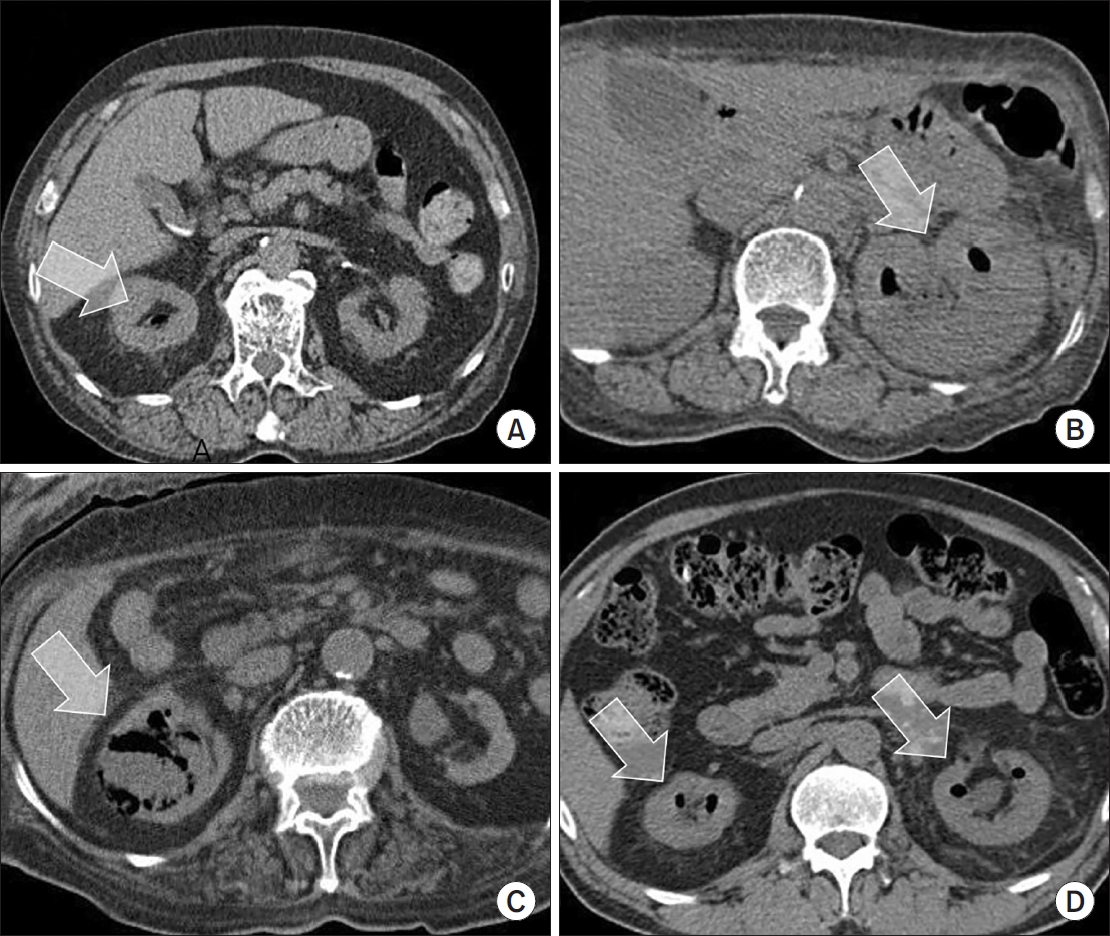
Emphysematous pyelonephritis (EPN) is a life-threatening disease requiring immediate treatment. This multicenter retrospective cohort study aimed to analyze the mortality rate and risk factors associated with EPN. Materials and Methods: Between January 2011 and February 2021, 217 patients diagnosed with EPN via computed tomography who visited 14 teaching hospitals were retrospectively analyzed. Clinical data, including age, sex, comorbidities, Huang and Tseng classification, hydronephrosis, acute kidney injury, blood and urine tests, surgical interventions, percutaneous drainage, and conservative treatments, were compared between the survival and death groups. Risk factors for mortality due to EPN were analyzed using univariate and multivariate methods.
Results
The mean age of survivors and deceased patients was 67.8 and 69.0 years, respectively (p=0.136). The sex distribution (male/female) was 48/146 and 8/15, respectively (p=0.298). Of the 217 patients, 23 died, resulting in a mortality rate of 10.6%. In univariate analysis, the Huang and Tseng classification (p=0.004), platelet count (p=0.005), and acute kidney injury (p=0.007) were significantly associated with mortality from EPN. In multivariate analysis, only the Huang and Tseng classification (p=0.029) was identified as a risk factor. Mortality rates according to the Huang and Tseng classification were as follows: class I (5.88%), class II (7.50%), class IIIa (14.28%), class IIIb (25.00%), and class IV (23.07%).
Conclusions
EPN is associated with a high mortality rate. Among various clinical factors, the Huang and Tseng classification was the most significant indicator for predicting mortality. -
Citations
Citations to this article as recorded by- Editorial for UTI 2025 Vol. 20 No. 1 - Highlights of This Issue’s Papers and the UTI Editors’ Pick
Koo Han Yoo
Urogenital Tract Infection.2025; 20(1): 1. CrossRef
- Editorial for UTI 2025 Vol. 20 No. 1 - Highlights of This Issue’s Papers and the UTI Editors’ Pick
- 6,343 View
- 93 Download
- 1 Crossref
Review Articles
- A Narrative Review of Syphilis Notification Systems in Korea: Change to Mandatory Surveillance System
- Seung-Ju Lee, Jin Bong Choi
- Urogenit Tract Infect 2025;20(1):28-33. Published online April 30, 2025
- DOI: https://doi.org/10.14777/uti.2550004002
-
Abstract
PDFPubReaderePub
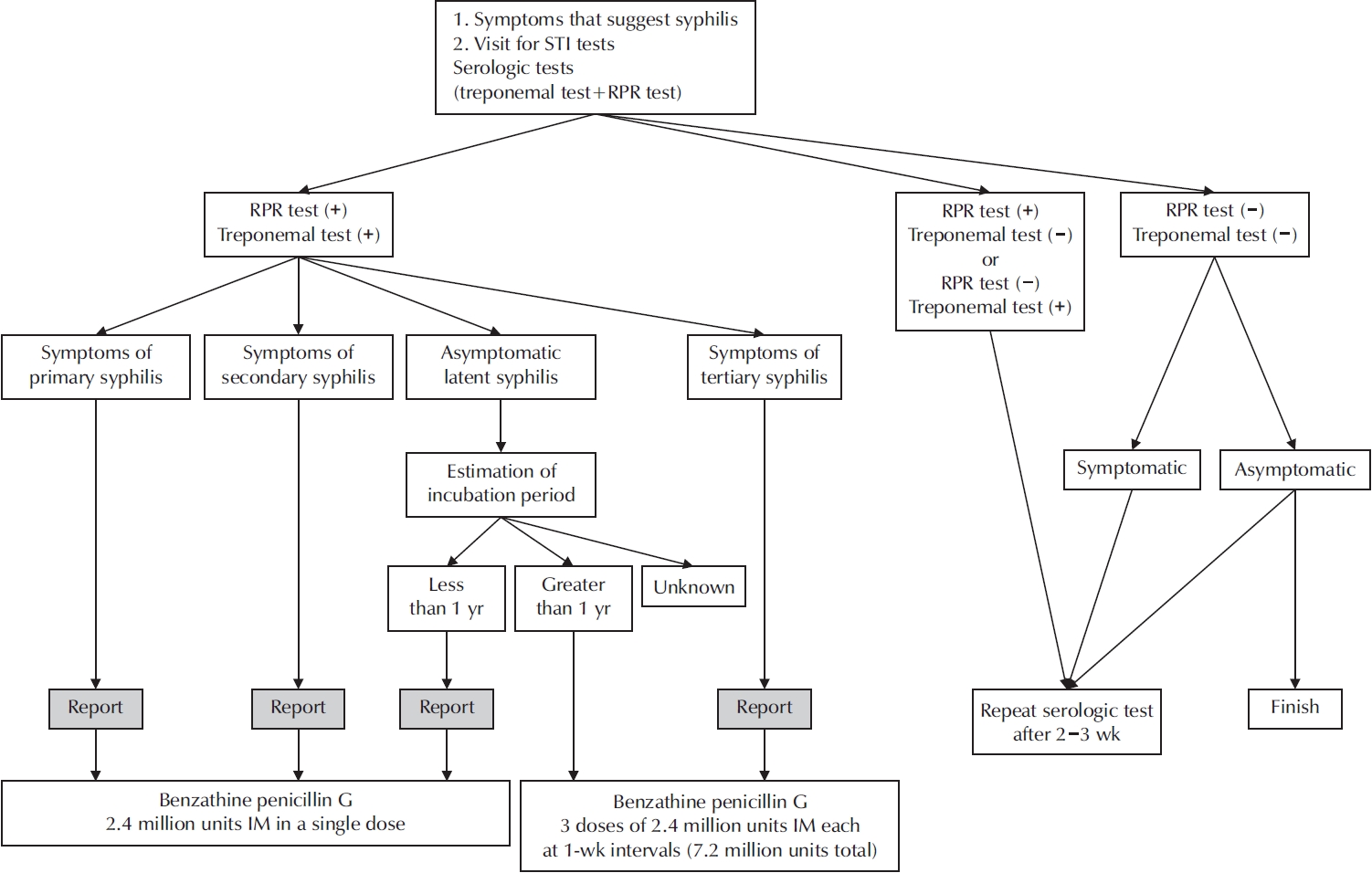
- New cases of syphilis are clearly showing an increasing trend worldwide. However, in a sentinel surveillance system, the collection of information on disease outbreaks is limited, making it difficult to understand the overall outbreak situation and perform detailed analyses of patients' demographic characteristics and disease stages. In accordance with the revision of the Infectious Disease Prevention Act, syphilis was converted from a grade 4 infectious disease subject to sentinel surveillance to a grade 3 infectious disease subject to mandatory surveillance from January 1, 2024, with all medical institutions required to report syphilis diagnosis within 24 hours.
-
Citations
Citations to this article as recorded by- Editorial for UTI 2025 Vol. 20 No. 1 - Highlights of This Issue’s Papers and the UTI Editors’ Pick
Koo Han Yoo
Urogenital Tract Infection.2025; 20(1): 1. CrossRef - Adult Syphilis: A Narrative Review of Clinical Insights and Public Health Implications in Urology
Seung-Ju Lee, Jin Bong Choi
Urogenital Tract Infection.2025; 20(3): 123. CrossRef
- Editorial for UTI 2025 Vol. 20 No. 1 - Highlights of This Issue’s Papers and the UTI Editors’ Pick
- 8,232 View
- 51 Download
- 2 Crossref
- Emerging Insights Into Microbiome Therapeutics for Urinary Tract Infections: A Narrative Review
- Hoonhee Seo, Md Abdur Rahim, Indrajeet Barman, Mohammed Solayman Hossain, Hanieh Tajdozian, Fatemeh Ghorbanian, Md Sarower Hossen Shuvo, Jiho Choi, Sukyung Kim, Heejo Yang, Ho-Yeon Song
- Urogenit Tract Infect 2025;20(1):4-16. Published online April 30, 2025
- DOI: https://doi.org/10.14777/uti.2448034017
-
Abstract
PDFPubReaderePub
- Urinary tract infections (UTIs) are among the most common bacterial infections worldwide, affecting millions annually and posing a significant global health concern. Traditional therapies for UTIs are becoming increasingly ineffective due to rising drug resistance and their tendency to disrupt the host's healthy microbiota, leading to further side effects. Consequently, there is an urgent need to develop alternative therapeutic agents that differ from conventional regimens and have fewer or no side effects. In this context, microbiome therapeutics offer a promising solution, given their demonstrated efficacy against various infectious diseases. Advances in scientific technology, particularly next-generation sequencing, have deepened our understanding of urinary microbiome dynamics, revealing a complex interplay within the urobiome that influences the onset and progression of UTIs. Uropathogenic bacteria do not solely cause UTIs; shifts in the composition of the urinary microbiome and interactions within the microbial community, known as host-microbiota interactions, also play a significant role. Although recent studies underscore the potential of targeting the urinary microbiome to manage UTIs and related complications, this field is still emerging and faces numerous regulatory and technical challenges. Further in-depth and comprehensive research is required to advance this pioneering concept into clinical practice.
-
Citations
Citations to this article as recorded by- Mechanisms Linking Recurrent Bacterial Urinary Tract Infections to Chronic Kidney Disease Progression
Mariana-Emilia Caragea, Daniel Cosmin Caragea, Mohamed-Zakaria Assani, Isabela Siloși, Mihail Virgil Boldeanu, Lucrețiu Radu, Lidia Boldeanu, Cristin Constantin Vere
International Journal of Molecular Sciences.2026; 27(11): 4999. CrossRef - Editorial for UTI 2025 Vol. 20 No. 1 - Highlights of This Issue’s Papers and the UTI Editors’ Pick
Koo Han Yoo
Urogenital Tract Infection.2025; 20(1): 1. CrossRef - Efficacy and safety of N-acetylcysteine vs. probiotics in in-vivo biofilm prevention on ureteral stents: a prospective randomized controlled pilot in vivo study
Iqbal Singh, Himanshu Agrawal, Shailender Maurya, Himanshu Tanwar, Sanjay Gupta, N. P. Singh
International Urology and Nephrology.2025; 58(3): 811. CrossRef
- Mechanisms Linking Recurrent Bacterial Urinary Tract Infections to Chronic Kidney Disease Progression
- 19,875 View
- 230 Download
- 3 Crossref
 First
First Prev
Prev


